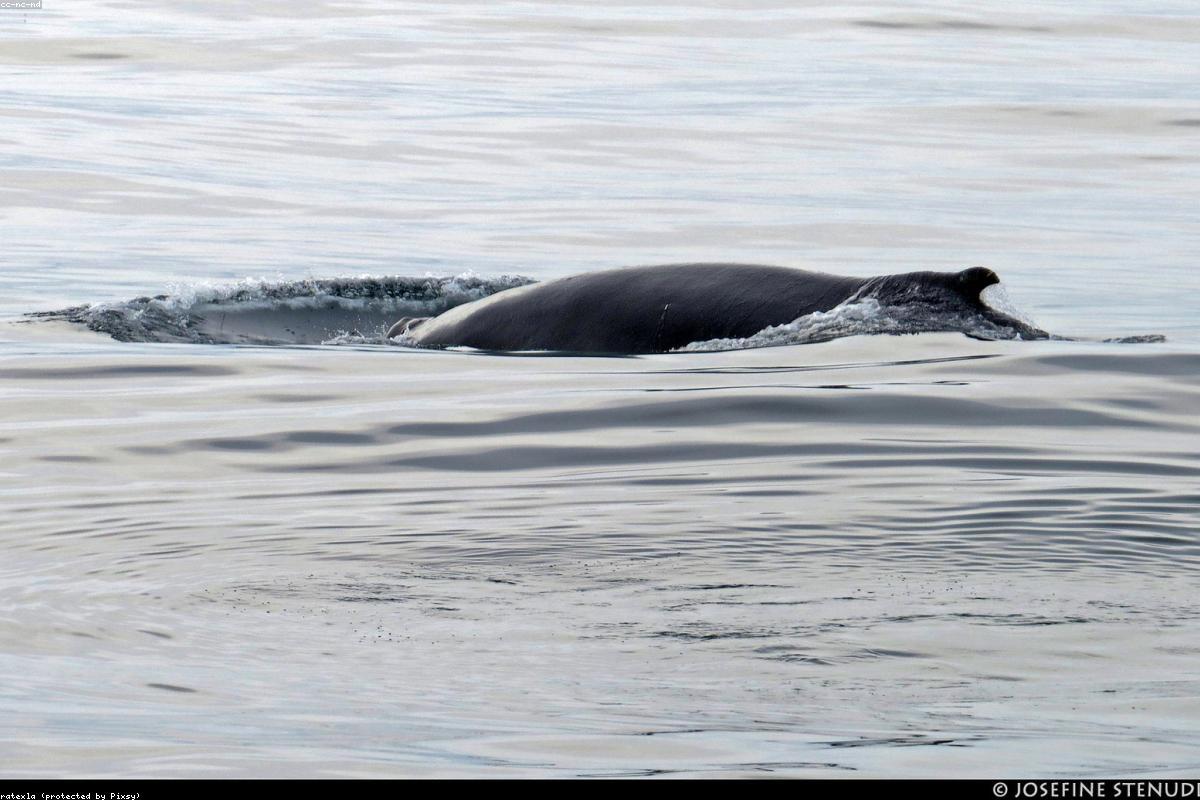
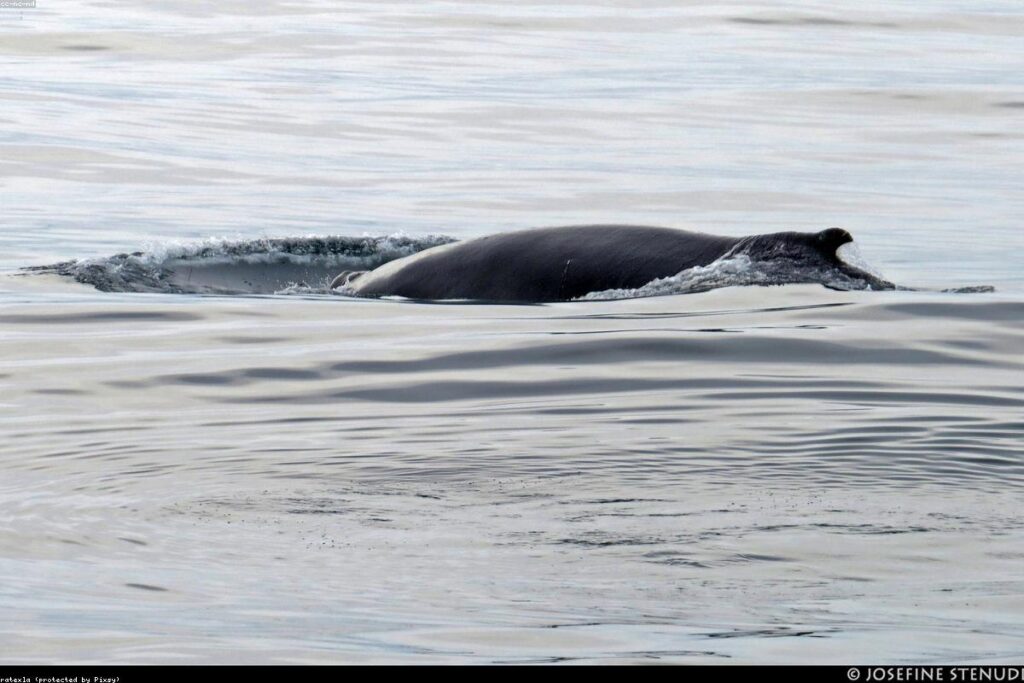
The blue whale is 30 metres long and weighs up to 200 tonnes. Its heart is the size of a small car. Its calls travel hundreds of kilometres through ocean basins and register at frequencies so low they’re beyond human hearing. When one surfaces 50 metres from your boat – that moment when the blowhole erupts in a column of steam 10 metres high, when the seemingly endless back rolls through the water and the small, impossibly distant dorsal fin finally appears, before the massive flukes lift clear and the animal descends – something adjusts in your understanding of what’s possible for life on this planet. There is nothing else like it.
Mirissa, Sri Lanka: The Most Reliable Blue Whale Encounter on Earth
The waters off Mirissa on Sri Lanka’s south coast are the most consistent blue whale location in the world. The deep-water Trincomalee Canyon runs to within a few kilometres of shore, concentrating krill that attracts blues in numbers impossible anywhere else – it’s not unusual to see 8-12 individuals in a single four-hour tour. The season runs December through April, peaking February through March. Sri Lanka is also the one place where combining a blue whale watching trip with snorkelling with sperm whales is regularly possible – spinner dolphins often join for good measure. Reputable operators include Raja & the Whales and Mirissa Water Sports. Tours run $35-$60/person. Go early (6-7am departure) for calm seas and best light.
The Azores: Blue Whales in the Atlantic
The Azores archipelago sits on the Mid-Atlantic Ridge and the deep water channels between the islands form natural concentration points for sperm whales year-round. Blue whales pass through on their migration during April and May. The island of Faial is the traditional base for cetacean watching, with vigia (old shore-based whale spotters from the days of commercial whaling) guiding boats to animals by radio from clifftop lookouts. The combination of blue whale encounters, the volcanic landscapes of Faial and Pico, and excellent Portuguese food and wine make the Azores a serious destination beyond just the cetaceans. Tours from $60-$90/person; most operators now use rigid inflatable boats (RIBs) for closer, more manoeuvrable encounters.
Baja California: Gray Whales and Blues in the Same Trip
The deep Pacific waters off the tip of Baja California attract blue whales from December through April. The Cortez Sea (Sea of Cortez) between the Baja peninsula and mainland Mexico is so productive that Jacques Cousteau called it “the world’s aquarium.” Blue whale encounters are supplemented by fin whales, humpbacks, orcas, and the unique San Ignacio Lagoon grey whale encounter where the whales approach the boats and allow themselves to be touched – one of the most extraordinary wildlife interactions available anywhere. Small-group expedition vessels from La Paz run 3-7 day trips from $800-$2,500/person including accommodation, meals and guides.
California Channel Islands
The cold, nutrient-rich upwelling off California’s Channel Islands concentrates krill from June through October, making the waters between Santa Barbara and the island chain some of the most reliable blue whale habitat in the Pacific. Day trips run from Santa Barbara and Ventura harbours ($135-$175/person). The best months are July and August when concentrations peak. The Santa Barbara Channel is narrow enough that well-positioned boats can often see multiple blue whales within a single viewing area. California Wildlife Foundation operates educational naturalist-led trips with real marine biologists aboard – the interpretation makes the difference between just seeing a whale and actually understanding what you’re seeing.
How to Hear a Blue Whale
Blue whale calls are primarily below 20Hz – infrasound, below human hearing – but some vocalisations reach 20-200Hz and are audible if your boat operator drops a hydrophone into the water. Several operators in the Azores and Sri Lanka regularly provide hydrophone listening experiences. When the recording is slowed down to 10x normal speed to shift the frequency into human hearing range, the deep, haunting moan of a blue whale – a sound that can travel 1,000 kilometres – is one of the most arresting things you will ever hear. It sounds ancient. That’s because it is: the blue whale’s acoustic communication evolved 20 million years ago, before humans existed.
What You Won’t See (and That’s Fine)
Blue whales spend 90% of their time below 50 metres. On a whale watching trip you will see blows, backs, and if you’re lucky, flukes. You will not see a full breach – blue whales almost never breach. You will not have the whale swim directly under your boat (responsible operators maintain minimum 100 metre distances). What you will experience is scale. Watching a blue whale surface repeatedly over 45 minutes, covering kilometres of ocean in what appear to be gentle movements, the blows visible from 5 kilometres away – the animal’s relationship to space and time simply doesn’t fit our usual categories of “big.” It doesn’t fit any category until you’re there.
There are around 10,000-25,000 blue whales left in the world’s oceans – a species still recovering from commercial whaling that reduced populations by 99% in the 20th century. Every ethical whale watching tour operator contributes to research and conservation. The ticket price helps protect the animal. Go.
🌊 Join 10,000+ Ocean Lovers
Get our free Ocean Freedom Starter Guide + weekly guides on surfing, diving & nomad life.
No spam. Unsubscribe anytime.
🌊 Recommended Gear & Experiences
Some links are affiliate links — we earn a small commission at no extra cost to you.
As an Amazon Associate we earn from qualifying purchases.
We may earn a commission on bookings — at no extra cost to you.
Free for Ocean Lovers
Get the Ocean Freedom Starter Guide
Gear guides, destination picks, and honest advice for surfers, divers, and sailors. Free.
Join 500+ ocean lovers in our free community
Surf reports, dive trip planning, nomad tips — live in WhatsApp.