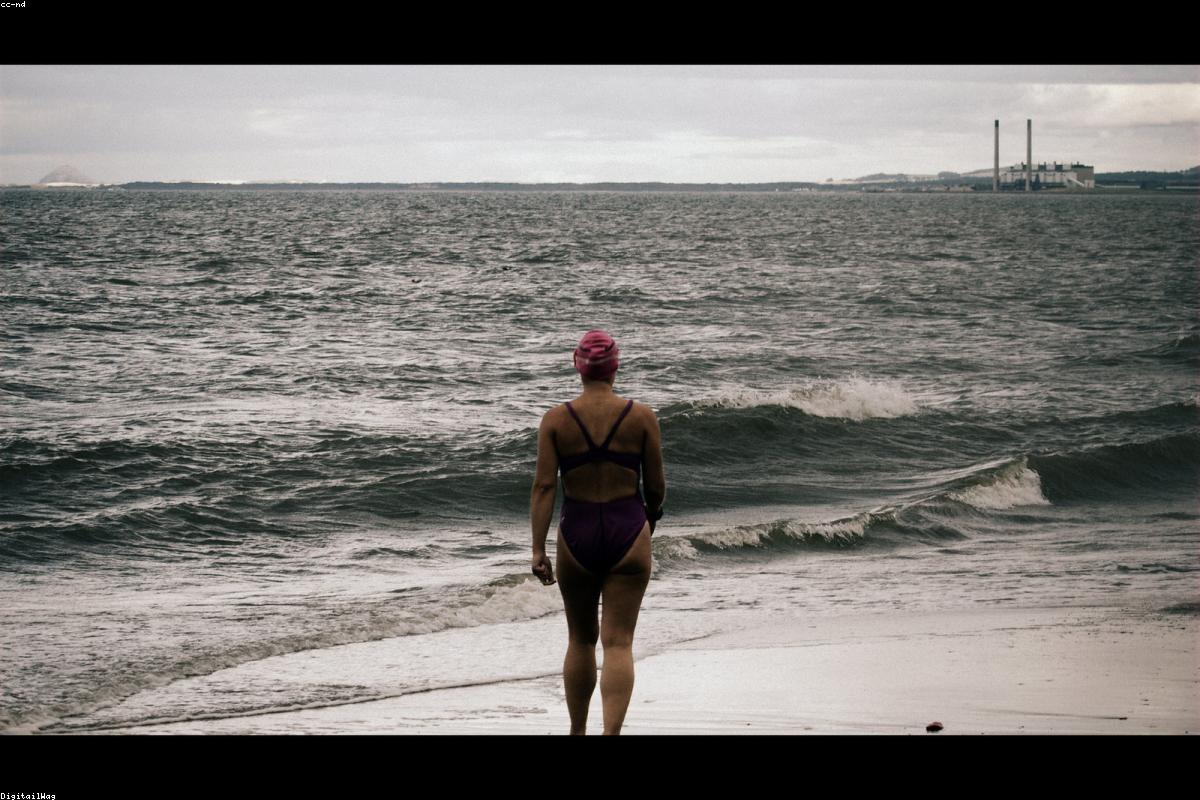
The first time you push off from a Dover beach at 2am under a full moon and start swimming toward France, you understand something about human ambition that no swimming pool ever teaches you. Open water swimming is one of the last great adventure sports – requiring nothing more than a swimsuit, a cap, some goggles, and the willingness to find out exactly what you’re made of. Whether you’re targeting a solo ocean crossing, joining a mass participation event, or simply exploring the wild swimming spots that the rest of the world doesn’t know about, 2026 has a perfect water waiting for you.
The English Channel: The Everest of Swimming
The English Channel crossing – 34km minimum, though currents often extend swimmers to 50+ – is the benchmark against which all open water swimming is measured. Water temperature averages 16-18°C in peak crossing season (July-September). Jellyfish, shipping lanes, tidal windows and mental fortitude all require respect. Solo crossings cost around £3,500-£4,500 for a licensed pilot boat; relay crossings (6 swimmers in rotation) split the cost to around £700 per person. The Channel Swimming Association registers and validates crossings. Application opens each January for that year’s season. Training usually takes 18-24 months for most swimmers. The record is 6 hours, 55 minutes. Most solo swimmers take 12-18 hours.
Rottnest Channel Swim, Western Australia
The Rottnest Channel Swim from Cottesloe Beach to Rottnest Island covers 19.7km and attracts 2,500 swimmers each February – making it one of the largest open water swimming events in the world. Solo and duo and team relay categories allow swimmers of all levels to participate. Water temperature sits around 22°C. The Indian Ocean crossing is tidal and currents can assist or punish depending on the day. Entry opens in mid-year for the following February’s event; entries fill within hours. Accommodation on Rottnest Island (where you finish and celebrate) books out fast – plan around the swim.
Hellespont / Dardanelles Crossing, Turkey
Swimming the Hellespont – the 4.5km strait between Europe and Asia where Leander swam nightly to visit Hero in Greek mythology, where Lord Byron swam in 1810 and where tens of thousands of swimmers now cross each July – is as much literary pilgrimage as athletic event. The current sweeps swimmers south as they cross east, making the route longer in practice. The annual SAMSUNG Boğaziçi Cross-Continental Swimming Race is free to enter and takes place in late July. Swimmers start in Çanakkale in Asia and finish in Eceabat in Europe. Water temperature: 24-26°C. A transformative, not especially difficult swim if you’re comfortable in open water.
Alcatraz Escape, San Francisco Bay
The 2.4km swim from Alcatraz Island to the San Francisco waterfront is cold (12-14°C), tidal, and exactly as dramatic as it sounds. The Dolphin Club and South End Rowing Club both run guided swims with safety kayakers. Multiple annual events including the Alcatraz Invitational and various triathlon events include the crossing. A wetsuit is nearly universal – only the most cold-adapted swimmers go without. The swim is psychologically harder than technically difficult; the combination of cold, currents, and the island’s history creates an experience impossible to replicate.
Cold Water Training: Getting Your Body Ready
Cold water shock is the enemy of open water swimming. Regular cold exposure – cold showers, lake swims, sea swimming through winter – progressively resets your response to cold water. The vagal dive reflex triggers less dramatically as your nervous system adapts. For Channel crossings and other cold water events, acclimatise gradually: start at 18°C, extend sessions as water cools toward 14°C, then 12°C. Never alone in cold water; always with a spotter or kayaker. Neoprene swim caps (worn under latex) provide significant heat retention for the critical temperature exchange that happens through the scalp.
Pacific and Ocean Ultra-Distances
For swimmers seeking beyond the channel, the Oceans Seven is open water swimming’s equivalent of the seven summits: English Channel, Catalina Channel (33km, California), Molokai Channel (51km, Hawaii), North Channel (35km, Ireland), Strait of Gibraltar, Tsugaru Channel (Japan), and Cook Strait (New Zealand). Completing all seven, which takes most swimmers years across multiple continents, places you in an elite global community of fewer than 50 people. Ben Lecomte swam across the Pacific; Sarah Thomas swam the English Channel four consecutive times. The ocean has no ceiling.
Find your nearest cold lake. Start there. The Channel awaits.
🌊 Join 10,000+ Ocean Lovers
Get our free Ocean Freedom Starter Guide + weekly guides on surfing, diving & nomad life.
No spam. Unsubscribe anytime.
🌊 Recommended Gear & Experiences
Some links are affiliate links — we earn a small commission at no extra cost to you.
As an Amazon Associate we earn from qualifying purchases.
We may earn a commission on bookings — at no extra cost to you.
🌊 DOWNLOADABLE GUIDE
Ocean Bucket List — 50 Experiences Printable
$6.99 — instant PDF download
Free for Ocean Lovers
Get the Ocean Freedom Starter Guide
Gear guides, destination picks, and honest advice for surfers, divers, and sailors. Free.
Join 500+ ocean lovers in our free community
Surf reports, dive trip planning, nomad tips — live in WhatsApp.