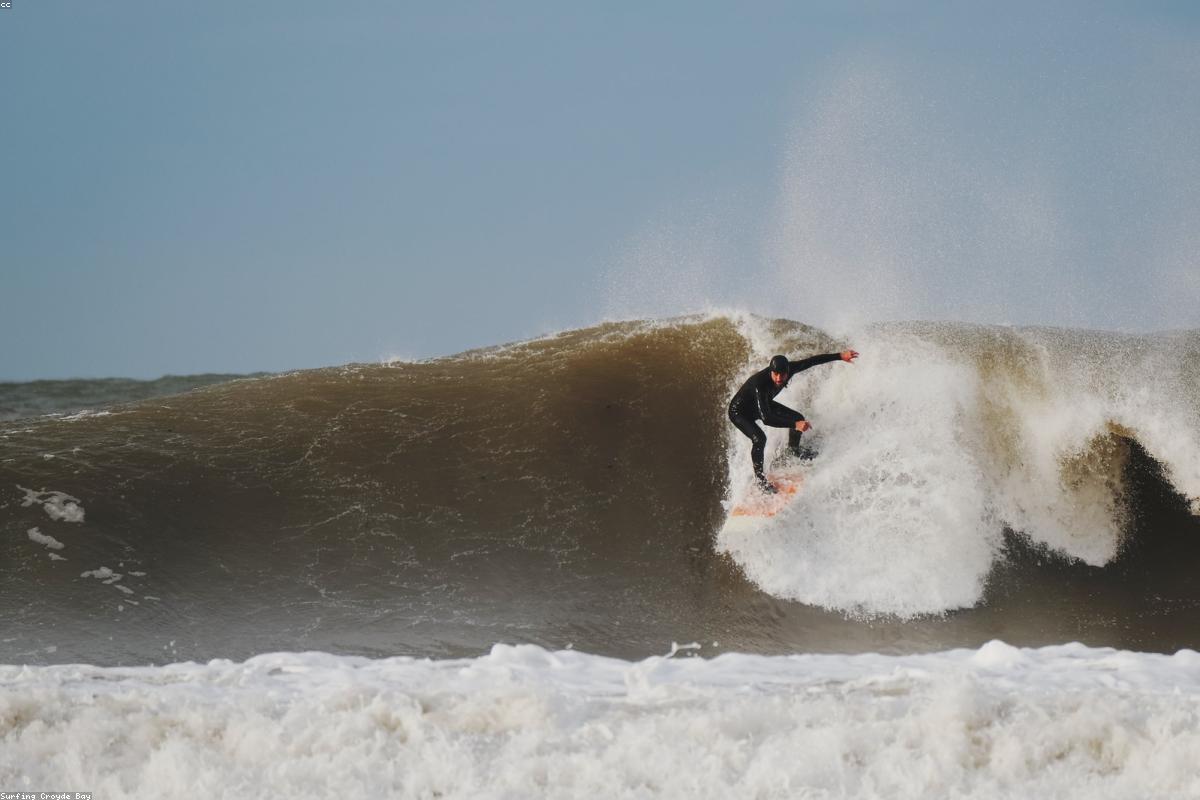
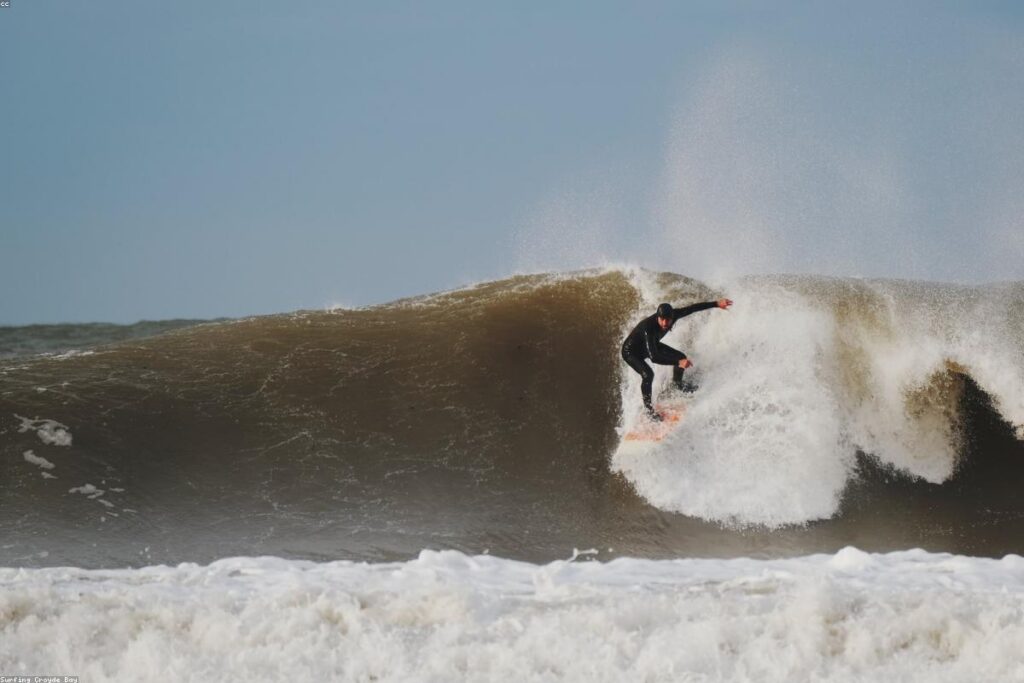
You’ve outgrown the foam boards and the gentle beach breaks where you learned. You can paddle out confidently, you’ve started reading waves rather than just reacting to them, and the session-after-session grind at your local break is starting to feel like a plateau. This is the moment to travel. The right trip to the right wave at the right level can compress two years of progression into three weeks, and the intermediate years – that electric phase between beginner and advanced – contain some of the most rewarding surfing you’ll ever experience.
Taghazout, Morocco: Europe’s Budget Upgrade
Taghazout is three hours south of Agadir and has become the surf camp capital of Europe’s shoulder season. Point breaks like Anchor Point, Mysteries and Killer Point produce long, peeling right-handers that are genuinely ideal for progression – enough power to demand attention, enough predictability to build on. The Moroccan summer is dead (flat, hot, onshore); the sweet zone is October through April when Atlantic swells run consistent and air temperatures stay 18-24°C. Budget $50-$80/night for a surf camp with breakfast and coaching, or $25/night for a room in town with no frills. Rental boards run $15-$20/day. Morocco has one of surfing’s best value propositions on earth.
Arugam Bay, Sri Lanka: Right-Hand Perfection
Arugam Bay’s main break is a long, forgiving right-hander that points intermediate surfers in exactly the right direction. The wave is powerful enough to practice cutbacks and tube riding on smaller days but gentle enough that you won’t be embarrassed by wipeouts in front of the entire lineup. The season runs May to September when the southwest monsoon lights up the bay. Outside those months, surf moves to the point breaks north of town. A surf bungalow runs $20-$40/night. Sri Lanka’s curry, cinnamon tea, and wildlife – elephants crossing the road to the beach is normal – make the dry days between swells interesting rather than frustrating.
Nosara, Costa Rica: High Performance on Warm Water
Nosara’s Playa Guiones is a 10km beach break with consistent, punchy Costa Rican swell and water temperature that never drops below 26°C. The lack of cold water removes one of the biggest obstacles to long sessions – you can surf for four hours without thinking about it. Del Mar Surf Camp and Safari Surf School are both consistently excellent, with video analysis and targeted coaching for intermediate surfers who’ve identified specific weaknesses. Nosara itself is a wellness-forward expat community with good healthy food, yoga, and the kind of daily rhythm that revolves entirely around tide charts. Accommodation: $60-$150/night depending on proximity to beach.
Jeffrey’s Bay, South Africa: Serious School
J-Bay is not a beginner destination but it is arguably the world’s most educational intermediate wave. The right-hand point break running from Supertubes through Impossibles and Kitchen Windows is so long, so mechanically consistent and so forgiving on mid-tide that it forces you to make decisions about where you want to go on a wave. A session at J-Bay teaches rail-to-rail surfing, line selection, and tube positioning in a way that no beach break ever will. Go August through October for peak swell season and offshore winds. A comfortable guesthouse runs $40-$80/night; the surf town itself is small, cold (water temperature: 14-18°C – pack a 4/3 wetsuit) and entirely focused on the wave.
Hossegor, France: Atlantic Power
The Landes department of southwest France produces some of the heaviest beach break waves in Europe, and Hossegor’s La Gravière has hosted the WSL French Open for decades because the wave quality is globally elite. For intermediate surfers, the surrounding breaks – Capbreton, Les Estagnots, Seignosse – provide excellent surf on days when La Gravière is too powerful. The added bonus: the Basque Country’s food culture means that post-surf pintxos, fresh fish and regional wine are waiting. Peak season is September when school holidays end, swell picks up, and crowds thin. Water temperature: 18-22°C in peak season, wetsuit recommended.
What to Work on Before You Go
Film yourself surfing before a progression trip. Video analysis almost always reveals that what you’re doing on a wave is very different from what you imagine. Common intermediate plateaus: looking at your feet rather than the wave, too much weight on the back foot in trim position, paddling too close to breaking sections, not committing to the pop-up. If you can address one of these before arriving at a quality wave, you’ll progress faster. Pack fins that match the wave type (softer fins for beachbreak, stiffer for point break power), a leash shorter than your board length for small-wave performance, and two wetsuits if travelling somewhere with water temperature variance.
Intermediate surfing is the most exciting phase of the whole journey. Own it, invest in it, and travel for it.
🌊 Join 10,000+ Ocean Lovers
Get our free Ocean Freedom Starter Guide + weekly guides on surfing, diving & nomad life.
No spam. Unsubscribe anytime.
🌊 Recommended Gear & Experiences
Some links are affiliate links — we earn a small commission at no extra cost to you.
As an Amazon Associate we earn from qualifying purchases.
We may earn a commission on bookings — at no extra cost to you.
🏄 DOWNLOADABLE GUIDE
Bali Surf Spots Map & Guide 2026
$9.99 — instant PDF download
Free for Ocean Lovers
Get the Ocean Freedom Starter Guide
Gear guides, destination picks, and honest advice for surfers, divers, and sailors. Free.
Join 500+ ocean lovers in our free community
Surf reports, dive trip planning, nomad tips — live in WhatsApp.