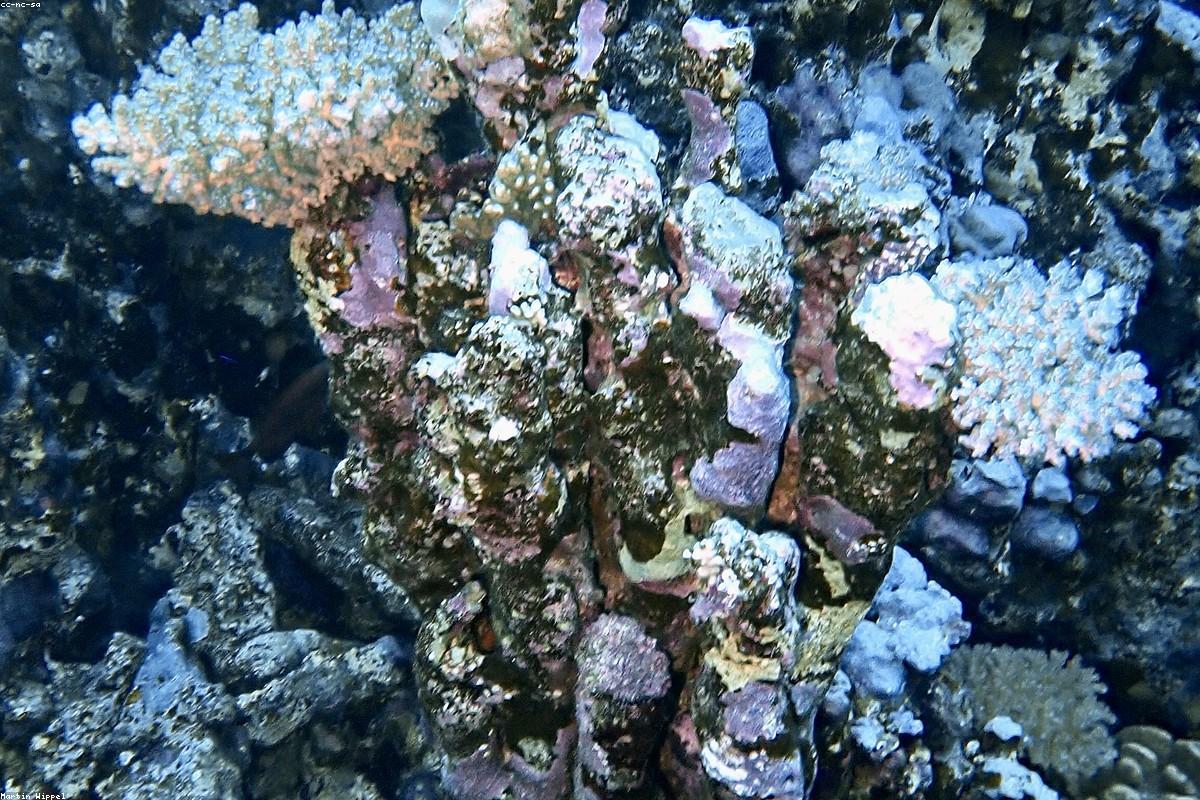
The first underwater photo you take will probably be terrible. The subject will be blurred, the colour washed out blue-green, the composition accidentally decapitating a fish, the exposure all wrong because you were simultaneously managing your buoyancy, breathing, depth, and a camera you’ve never used underwater before. This is normal. It happens to everyone. The underwater photographers whose images stop you cold on Instagram – the ones with the manta ray silhouetted against a cathedral of light, the macro portrait of an octopus eye that fills the frame – all have thousands of terrible frames they never show anyone. The journey from terrible to extraordinary is fast, enjoyable, and entirely accessible to beginners.
Cameras: Starting Simple and Smart
The GoPro Hero 12 Black is the best entry point for underwater photography in 2026. At $399, it’s waterproof to 10 metres without a case, shoots 27MP stills and 5.3K video, and its wide-angle lens captures the spatial context that makes underwater footage feel immersive. For deeper diving or better image quality, house your GoPro in the Protective Housing ($49) for 60 metre depth rating. The next step up is the Sony RX100 VII ($1,100) in the Fantasea or Meikon housing ($350-$500) – an APS-C sensor with dramatically better low-light performance, RAW shooting, and 24-200mm equivalent zoom that lets you frame subjects precisely. The Olympus TG-7 ($450) is another excellent option: waterproof to 15 metres natively, excellent macro mode, and a compact form factor that’s easy to manage during a dive.
Buoyancy Before You Shoot
This is the most important advice for beginning underwater photographers and the most ignored. Until your buoyancy is effortless – until you can hover motionless at depth without finning, adjust depth with a breath, and hold still above a subject without touching the reef – a camera will only distract you and make everything worse. Complete at least 20 dives before adding a camera. Then add the camera without shooting for the first few dives, just getting used to the physical management of the extra equipment. Divers who add cameras too early drift into coral, stir up sediment, run through air, and miss the best encounters because they’re staring at a screen instead of the ocean.
Understanding Light Underwater
Water absorbs light and colour differently from air. Red disappears within 3-5 metres, orange by 10 metres, yellow by 20 metres. This is why unedited underwater photos at depth look blue-green even in tropical water. Solutions: shoot shallow (within 3 metres for natural colour), shoot with wide aperture in strong natural light (midday, tropical water), use a red filter ($15-$40) to compensate for colour loss at 5-15 metres, or add a strobe or video light to reintroduce colour at any depth. Underwater video lights ($150-$300 for entry level) are more versatile than strobes for beginners – they show you the colour you’re capturing in real time and work well for both video and stills.
Macro vs Wide Angle: Choosing Your Focus
Wide-angle shots – sharks, mantas, reef panoramas, diver silhouettes against the surface – are dramatic but require excellent visibility (20+ metres), proximity to large subjects, and near-perfect positioning. They’re harder than they look. Macro photography – the tiny, bizarre, astonishing inhabitants of the reef that most divers swim past – is more forgiving and rewards patience over athleticism. Nudibranchs, pygmy seahorses, Coleman shrimp on fire urchins, frogfish sitting perfectly camouflaged on sponges: macro subjects stay still, live in shallow water, and produce images that specialist photographers travel for. Start with macro. It will change how you look at every reef forever.
Editing for Real Colour
Adobe Lightroom’s Underwater Preset (free download from multiple community sources) is your first post-processing tool. It shifts the white balance warm, boosts reds, lifts shadows, and recovers highlight detail all in one click – a useful starting point even if you adjust from there. For GoPro footage, GoPro’s Quik app has one-tap colour correction that works well for casual use. For RAW files, spend fifteen minutes learning the Temperature, Tint, Saturation/Hue/Luminance tools in Lightroom – targeting individual channels (specifically boosting the red and orange channels) recovers far more colour than the global adjustments that beginners typically use. Underwater photography without post-processing is like cooking without seasoning: the raw material is there but the result is disappointing.
Best Destinations for Learning Underwater Photography
Choose your first underwater photography destination based on visibility, shallow subjects and calm conditions. The Maldives (visibility 20-30m, resident whale sharks and mantas, calm lagoons) is ideal but expensive. The Red Sea at Dahab or Marsa Alam offers 25+ metre visibility, extraordinary macro subjects, and the infrastructure for week-long photo courses. Raja Ampat (marine biodiversity off the charts, wobbegong sharks, walking sharks, pygmy seahorses on every sea fan) is the macro photographer’s holy grail once you’re past beginner stage. For Europeans, the Canary Islands’ year-round warm water and Angel sharks make them an underrated choice.
Take bad photos. Take thousands of them. Then take some more. The camera doesn’t make the image – the eye behind it does, and that eye takes time to learn to see underwater.
🌊 Join 10,000+ Ocean Lovers
Get our free Ocean Freedom Starter Guide + weekly guides on surfing, diving & nomad life.
No spam. Unsubscribe anytime.
🌊 Recommended Gear & Experiences
Some links are affiliate links — we earn a small commission at no extra cost to you.
As an Amazon Associate we earn from qualifying purchases.
We may earn a commission on bookings — at no extra cost to you.
🧳 DOWNLOADABLE GUIDE
Scuba Gear Packing Checklist — Travel Edition
$4.99 — instant PDF download
Free for Ocean Lovers
Get the Ocean Freedom Starter Guide
Gear guides, destination picks, and honest advice for surfers, divers, and sailors. Free.
Join 500+ ocean lovers in our free community
Surf reports, dive trip planning, nomad tips — live in WhatsApp.