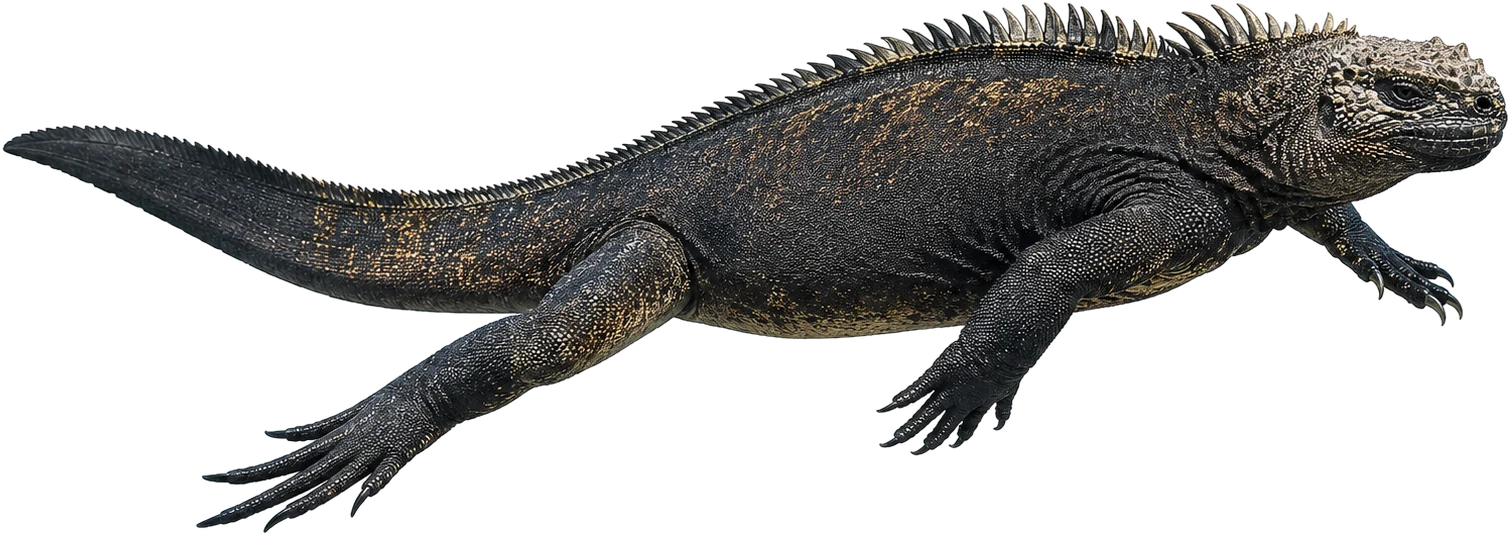
Usually found at 0–15 m
Marine iguanaAmblyrhynchus cristatus
Real dive sites from reef shallows to the edge of the deep — pulled live from our worldwide ocean map, never a guess.
4,720 real dive sites across 123 regions worldwide
Down here, gravity lets go. Weightless, quiet, and held by the blue — diving is the closest thing to flying, and the ocean gives it to you for free.
So we give it back. Every Ocean’s Freedom dive is a hand on the reef’s side: we map real sites, surface marine life honestly, and turn your trips into cleaner water. The ocean frees you — together, we free the ocean.
Drawn live from our worldwide ocean map — each opens a full destination guide.
From the sunlit shallows to a thousand metres down — every animal in true depth order, straight from our species data. Depth, conservation status and how-often-seen are real; richer field notes are a verified fast-follow. As you descend, the gauge on the left tracks your depth, the water pressure and an approximate temperature.
Warm, bright, alive — most of the ocean’s life crowds into this thin sunlit layer.
Drifting plant plankton make at least half the oxygen you breathe — every second breath comes from the sea.
Sound travels about four times faster in seawater than in air (~1,500 m/s) — how whales call across whole ocean basins.
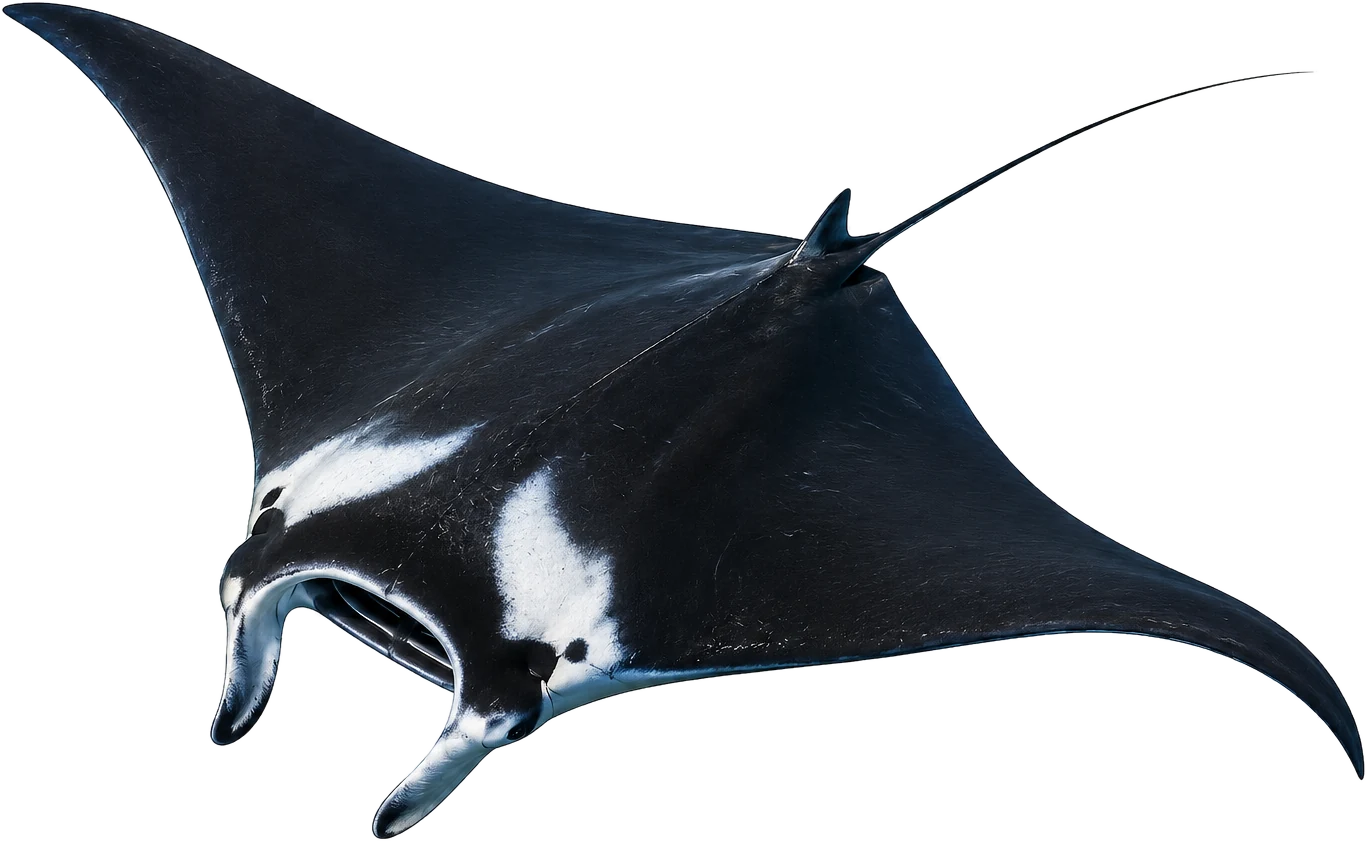
Past about here you need training, mixed gas, and a very good reason to go deeper.
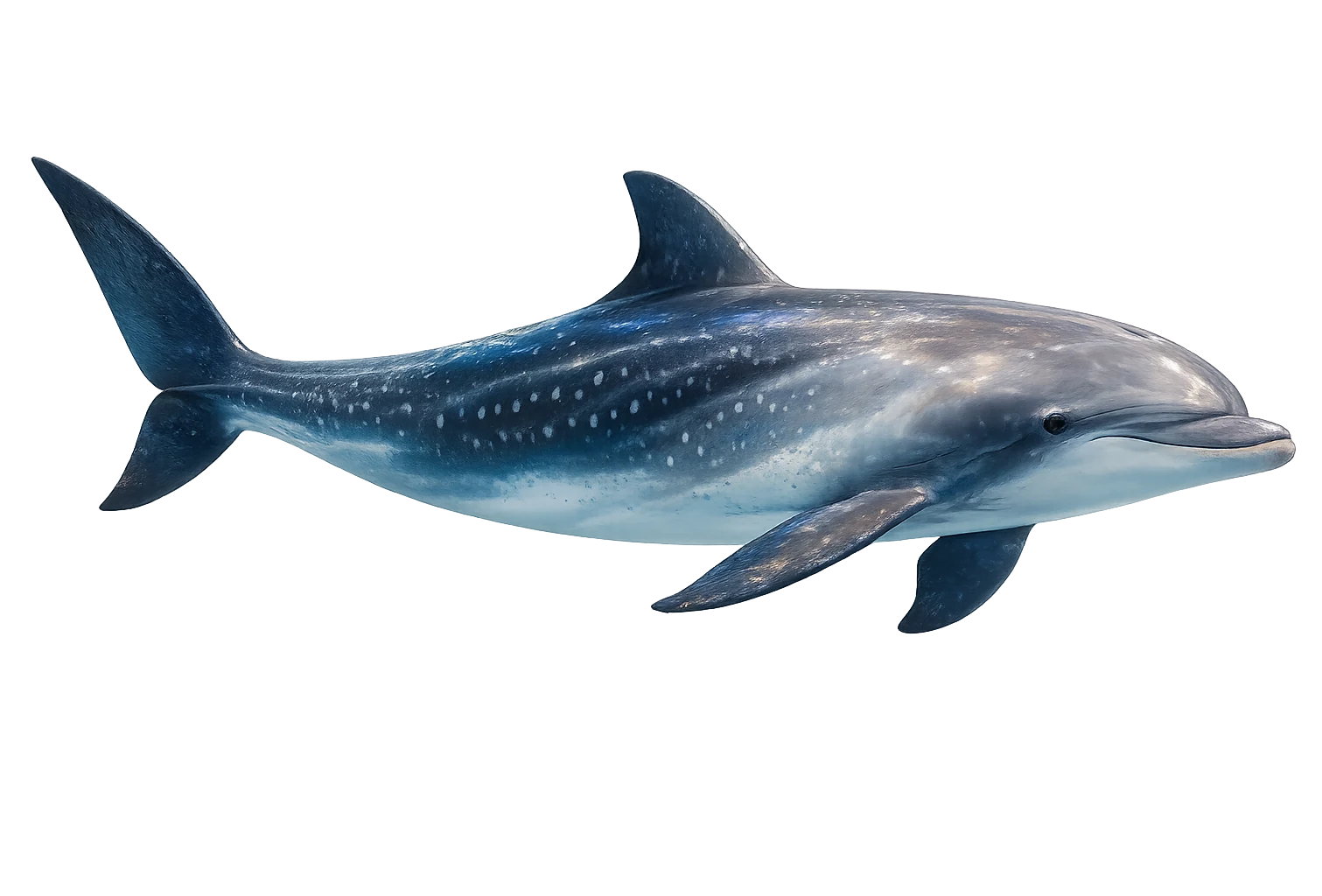
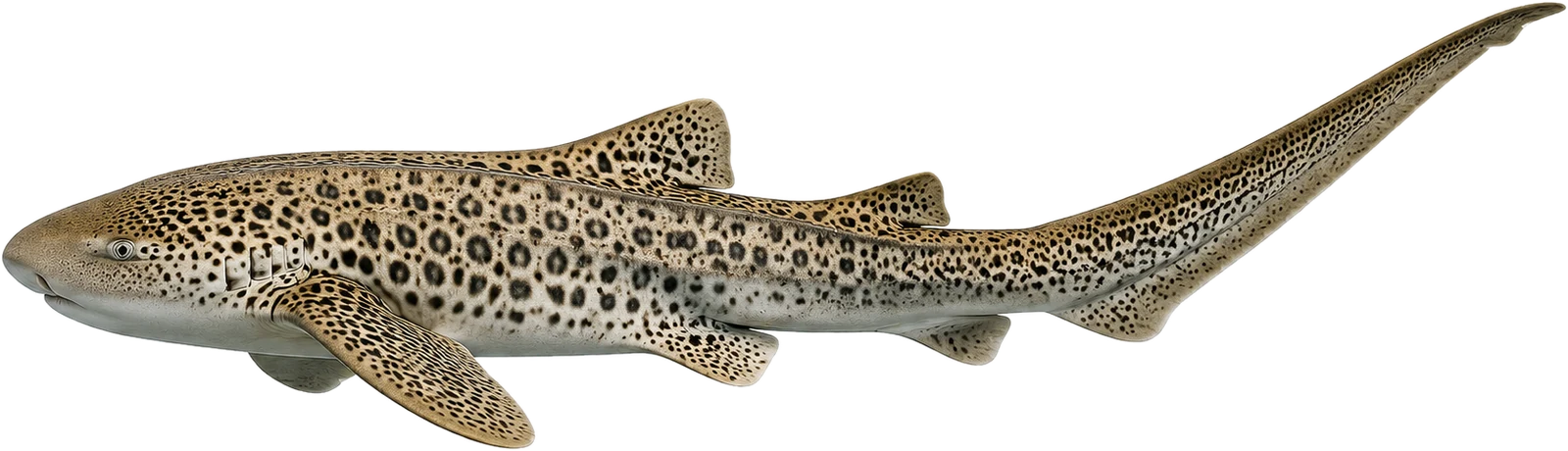
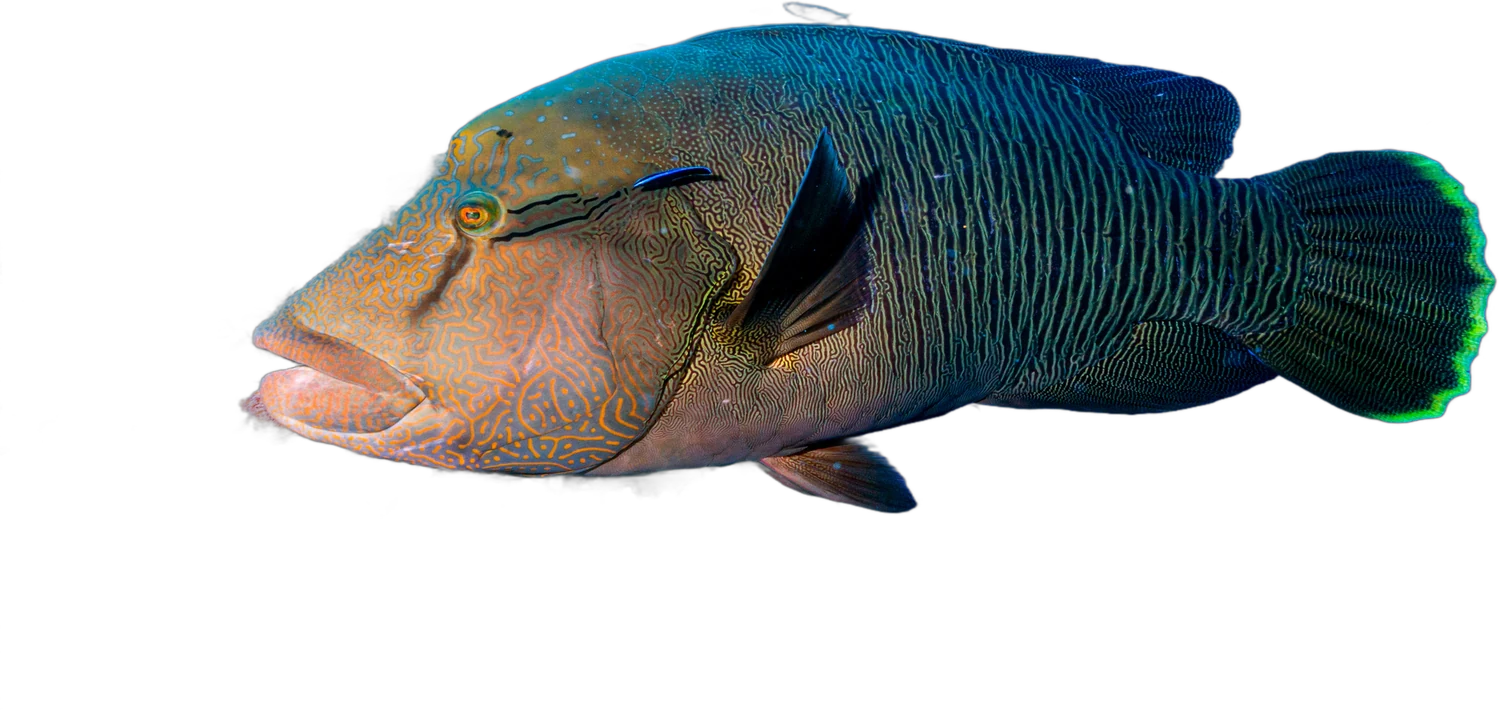
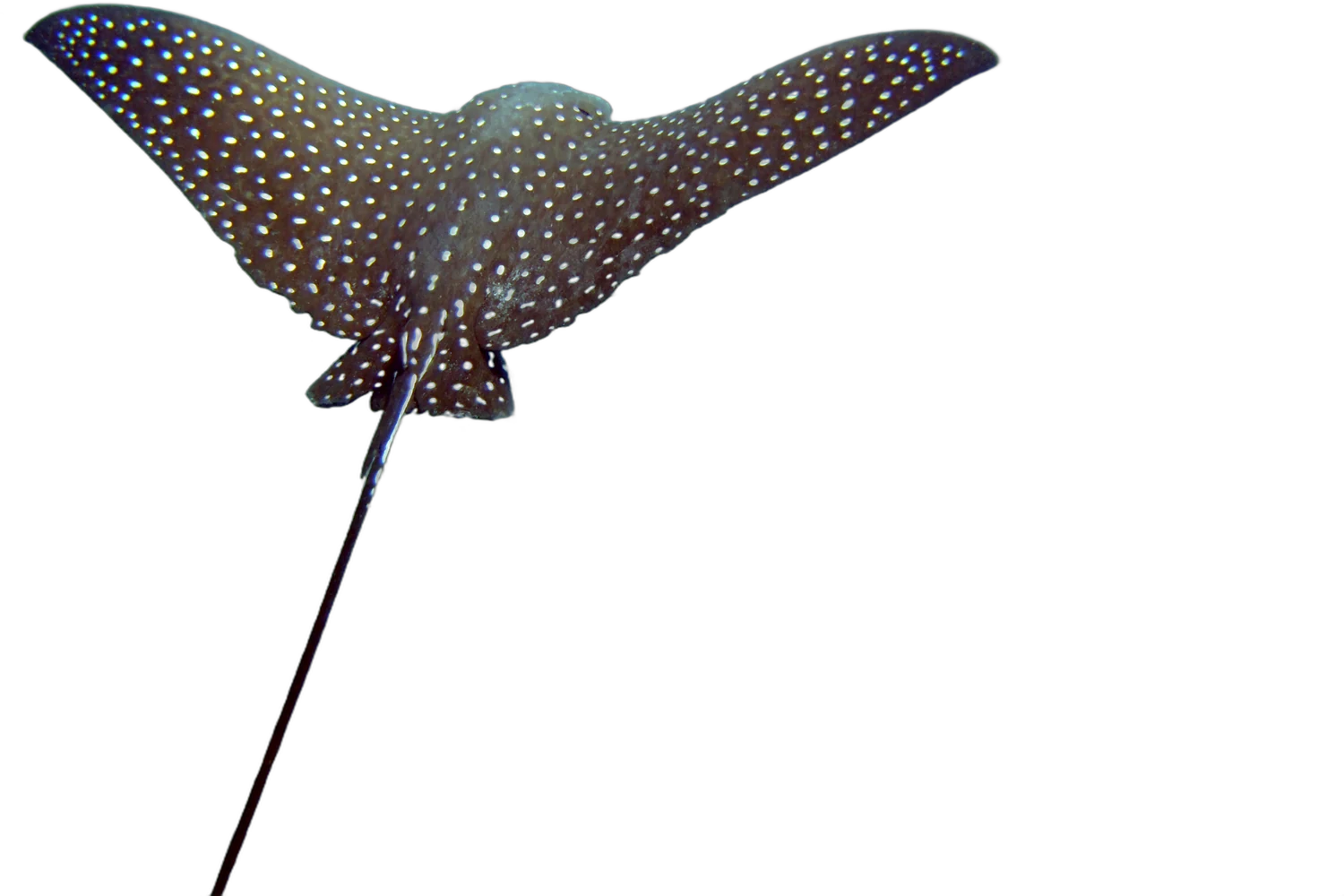
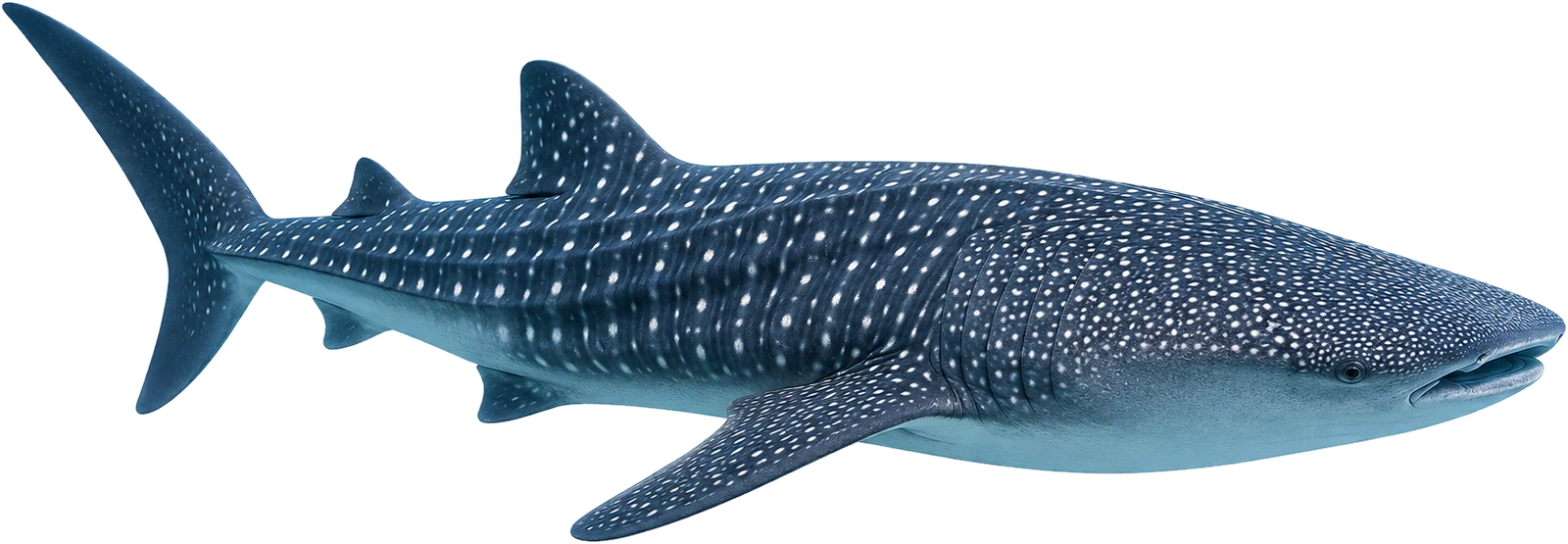
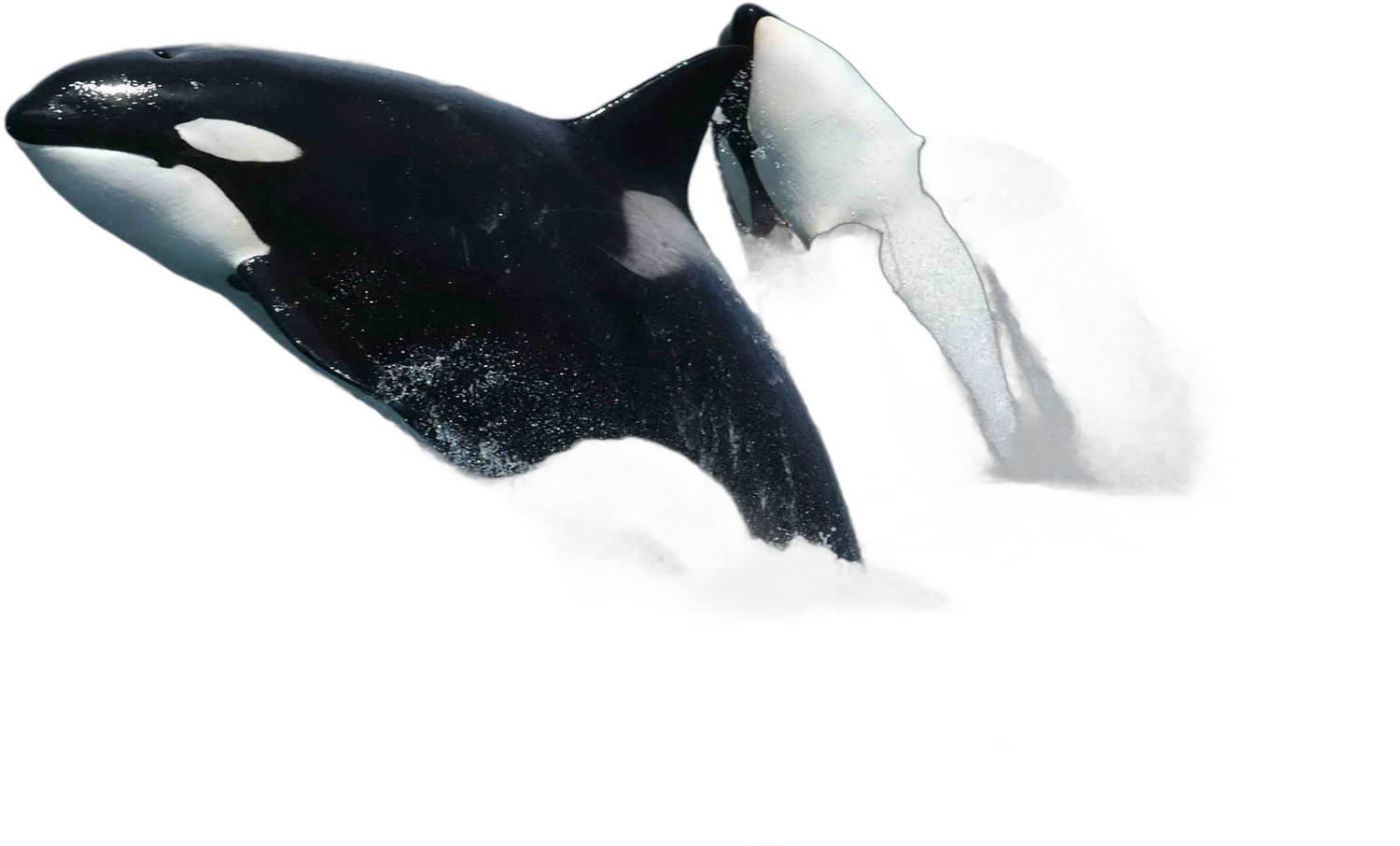
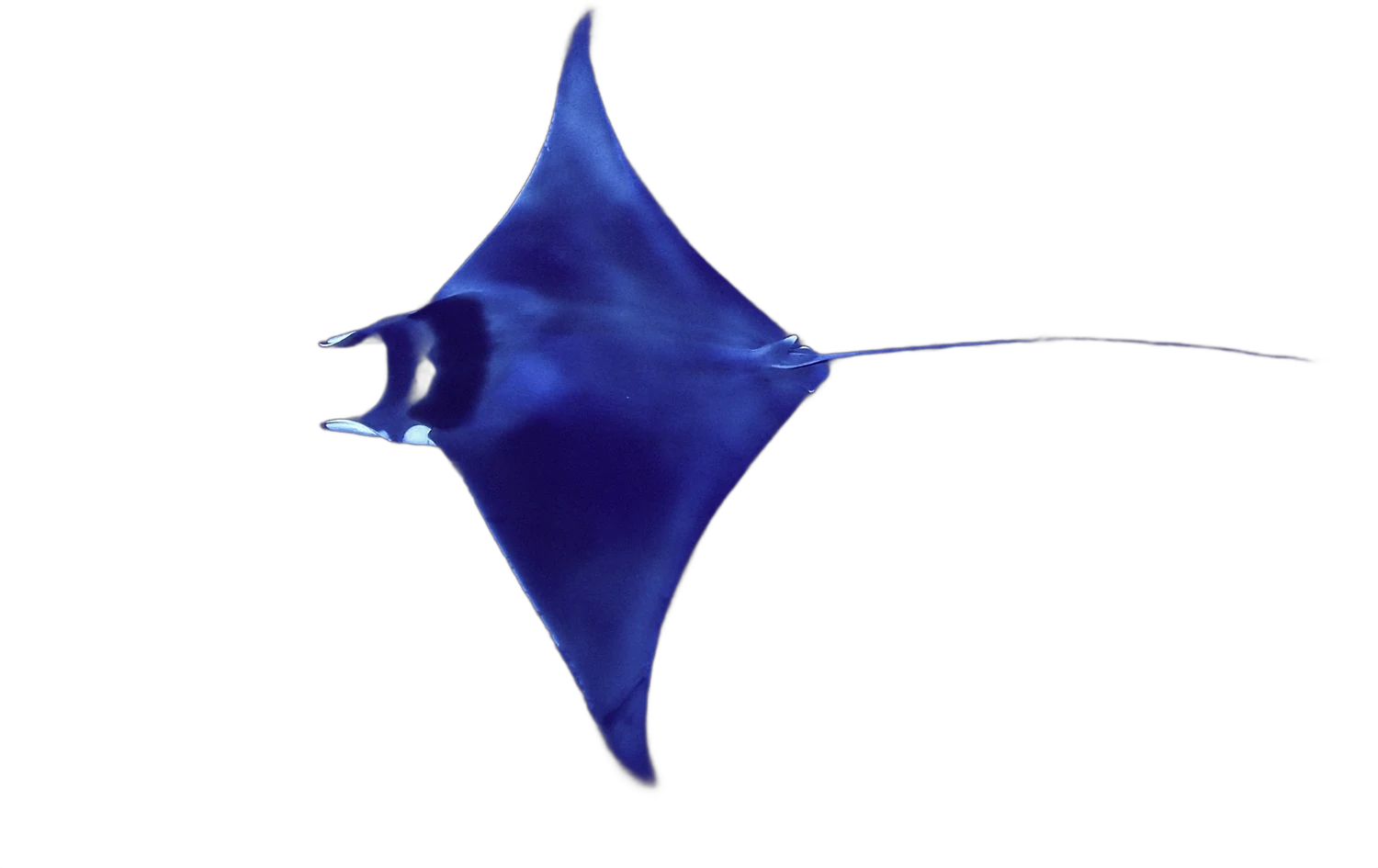
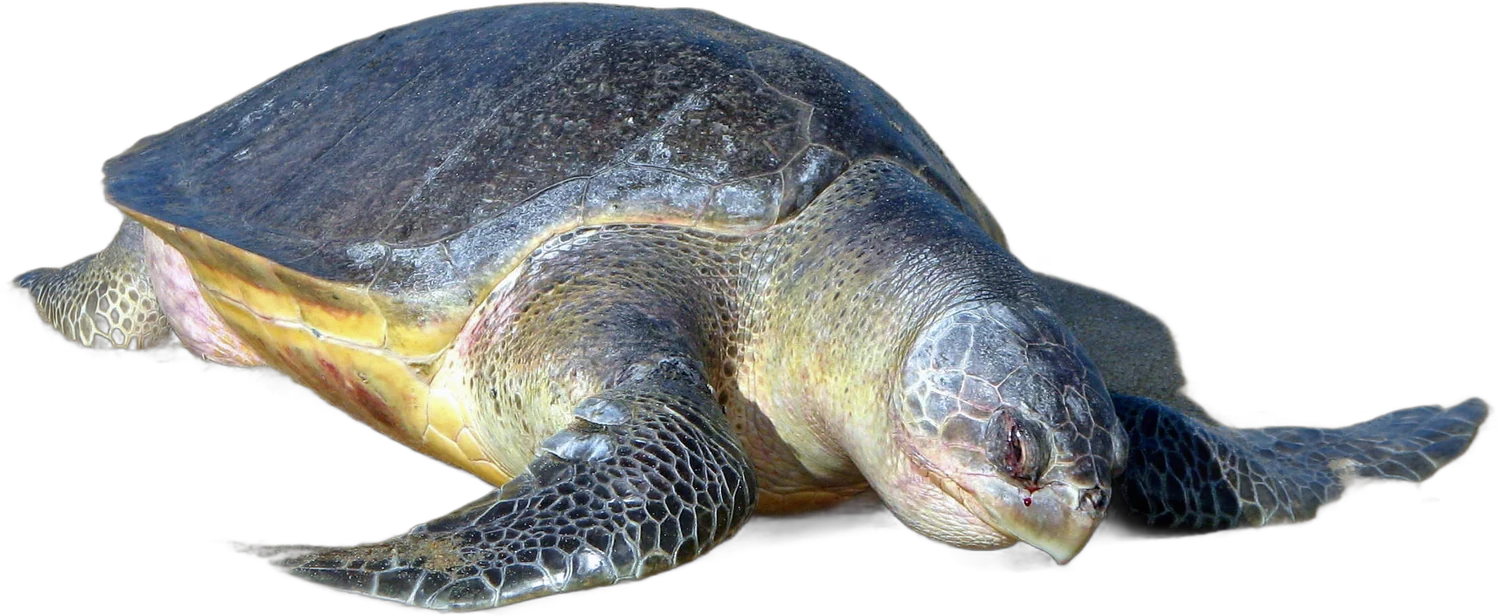
 📷 Aqqa Rosing-Asvid - Visit Greenland · CC BY 2.0
The last blue light gives out. Below is the twilight zone — colour disappears, and animals begin to make their own light.
Every night, the twilight-zone animals rise to feed and sink again by dawn — the largest animal migration on Earth, and it happens daily.
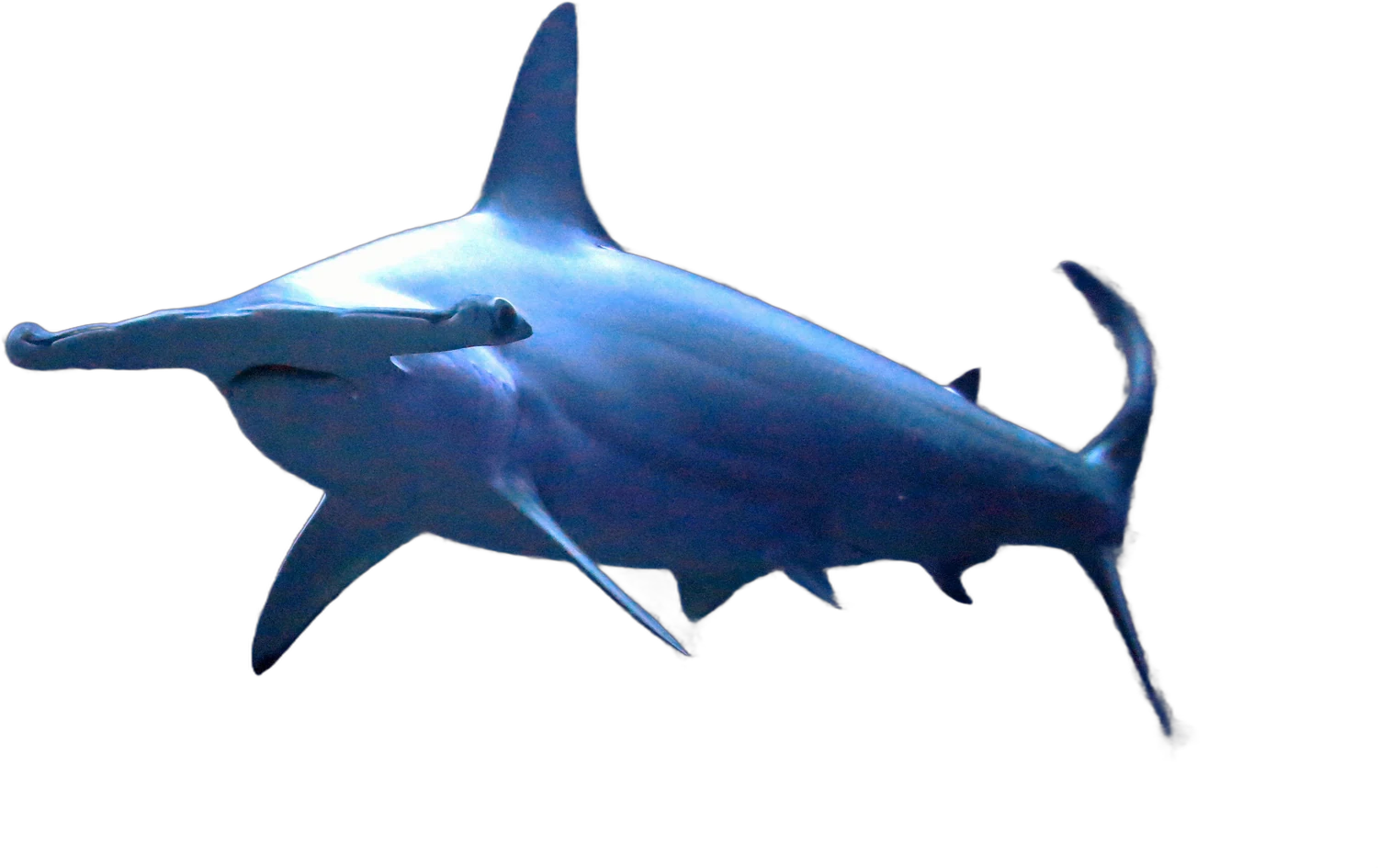
Most of the ocean’s fish may live in this twilight zone — by some estimates up to ~90% of all fish biomass.
Sperm whales hunt squid down here in total darkness, holding one breath for up to ~90 minutes and diving past 2,000 m.
In the deep sea, making your own light is the rule, not the exception — about three in four animals are bioluminescent.
Here the water presses in at about 100 atmospheres — a hundred times the pressure at the surface — yet life still finds a way.
No sunlight has ever reached here. Perpetual cold and dark — and still, life finds a way.
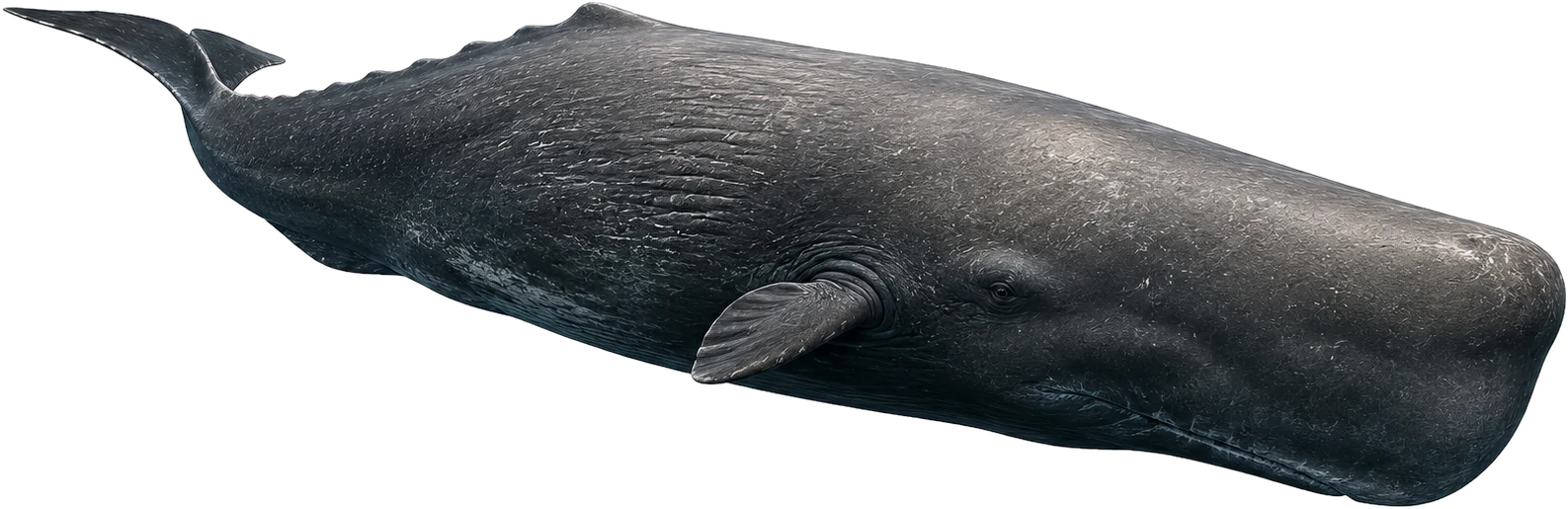
More than 80% of the ocean has never been mapped, seen, or explored — we have better maps of Mars. The deep is the planet's largest, least-known wilderness. And it gives us half of every breath we take.
The ocean frees you. Help free the ocean.
Which of these is your animal? Take the 60-second Marine Animal Finder — we’ll match you, and tell you where to meet it.
Find your marine animal →Year-round in the tropics; the warmer months in temperate spots. Always check live conditions before you go.
When you’re ready, we’ll point you to real, bookable experiences for this — handpicked, never a hard sell. You travel; the ocean wins.
Plan your scuba diving trip →We may earn a small commission if you book through us — at no cost to you. It helps fund the cleanups.


