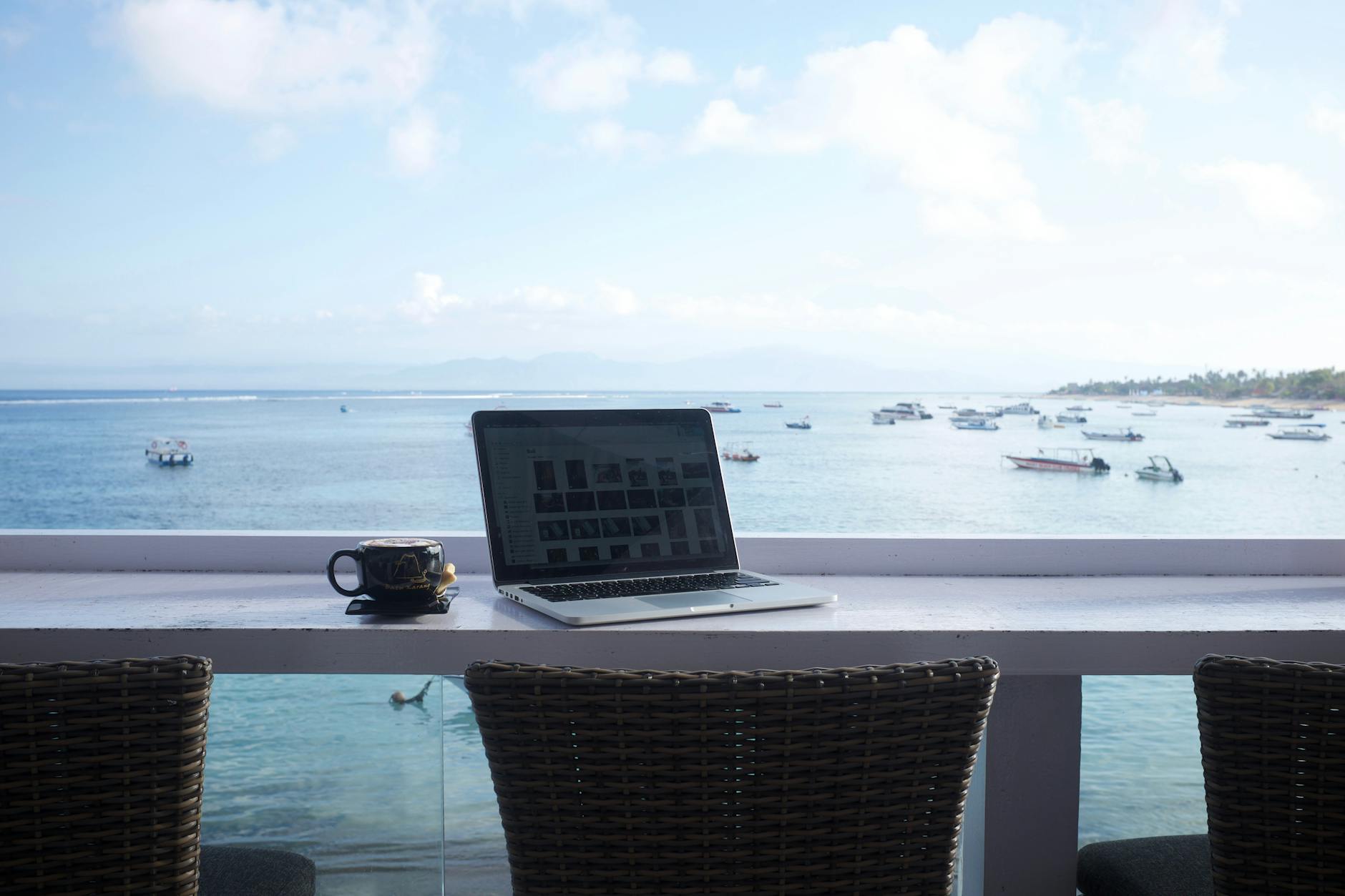
Everyone keeps recommending the same five coastal nomad towns – Canggu, Tamarindo, Da Nang, Lisbon, and Tenerife – and they’re all wrong. Not because these places aren’t lovely, but because they’ve crossed the threshold where “digital nomad hub” becomes “overcrowded expat enclave with inflated rents and coffee shops charging €6 for a flat white.” The real ocean-nomad destinations for 2026 aren’t on most listicles yet, and the ones that are established have specific timing windows and visa strategies that separate a sustainable base from an expensive disappointment. I’ve spent the past 14 months rotating through coastal towns with a laptop and a 6’2″ fish, and here’s what actually works.
The Numbers That Actually Matter in 2026
Before we break down destinations, let’s establish the baseline requirements for a functional ocean-nomad setup. You need minimum 50 Mbps download for video calls (25 Mbps is the absolute floor). You need accommodation with backup power or generator access – power outages kill deadlines faster than bad surf kills your stoke. Monthly budget floors: €700/$750 for Southeast Asia and North Africa, €1,200/$1,300 for Southern Europe and the Canaries, €1,800/$1,950 for Western Europe proper.
The critical metric most guides ignore? Visa runway. A 30-day tourist visa with extension options isn’t the same as a proper digital nomad visa. The difference matters for banking, SIM cards, vehicle rental, and your stress levels when immigration asks about your “tourism” activities three months in.
1. Ericeira, Portugal – The Benchmark
Cost of living (solo nomad): €1,400-2,000/month
Internet: 100-500 Mbps widely available via NOS and MEO fiber
Visa: EU/Schengen 90/180 days; Portugal D8 Digital Nomad Visa for extended stays
Europe’s only World Surfing Reserve sits 45 minutes north of Lisbon, and it’s earned that designation. Ribeira d’Ilhas, Coxos, and Reef offer world-class waves from September through May. But here’s what separates Ericeira from generic “surf town” status: the infrastructure is genuinely built for remote workers. Surf Office Ericeira runs coworking at €250/month with 300 Mbps and standing desks. Selina has a backup generator. The Nest offers €180/month for hot-desk access with ocean views.
The D8 visa requires €3,280/month provable income (roughly $3,550) and costs approximately €180 in application fees. It’s renewable for up to five years and puts you on track for Portuguese residency. Surf lessons and ocean tours from Lisbon/Ericeira are available year-round if you’re still learning, with two-hour sessions running €40-60.
The catch: winter water temps drop to 14°C, and you’ll need a quality 4/3mm wetsuit. Rent runs €800-1,200 for a one-bedroom apartment, but availability is tight October through April. Book accommodation by August for winter stays.
2. Siargao, Philippines – Budget King with Real Tradeoffs
Cost of living: $800-1,400/month
Internet: 20-50 Mbps in General Luna; 80-100 Mbps at premium coworking spaces
Visa: 30 days visa-free, extendable to 59 days, then month-by-month up to 3 years
Cloud 9’s iconic hollow right broke the internet long before Instagram existed. The wave is legitimately world-class – a fast, barreling reef break that works best at 1.2-2m swell from the Pacific. But Cloud 9 isn’t the whole story. Tuason Point offers a mellower left. Pacifico on the north shore has consistent head-high peaks. And the freediving at Sugba Lagoon – 15m visibility, 25-30°C water, no current – makes Siargao a genuine multi-discipline ocean base.
The remote-work ecosystem has matured significantly since 2022. Harana Surf Resort runs reliable 80 Mbps with generator backup. Kermit Surf Resort offers coworking at ₱400/day ($7). Monthly villa rentals in General Luna start at $500 for basic, $800-1,000 for aircon and reliable WiFi.
The tradeoffs are real, though. Power outages average 2-4 per week during rainy season (November-February). Healthcare is basic – serious injuries require a flight to Cebu (1 hour, ₱3,500/$62). And the visa situation requires monthly trips to the immigration office in General Luna for extensions, costing ₱3,030 ($54) plus ₱500-1,000 in “processing fees” that aren’t officially fees.
3. Taghazout, Morocco – Europe’s Best-Kept Secret
Cost of living: $700-1,200/month
Internet: 50-150 Mbps via Maroc Telecom and Orange
Visa: 90 days visa-free for most Western passports
Three hours north of Agadir on Morocco’s Atlantic coast, Taghazout has transformed from a fishing village into one of the world’s great surf destinations – without the price inflation that usually follows. The point breaks at Anchor Point, Mysteries, and Hash Point light up from October through April, with December through February offering the most consistent 2-3m swells.
Surf lessons and experiences near Taghazout run €30-50 for half-day sessions with equipment. Surf camps like Surf Maroc and Amouage offer all-inclusive packages at €650-900/week including accommodation, meals, and guiding – excellent value for intermediate surfers looking to level up on point breaks.
Monthly apartment rentals in Taghazout village run €300-500; upgraded places in the Banana Beach area with consistent WiFi are €500-700. The coworking scene is developing – Sundesk Taghazout offers €150/month with 100 Mbps and a rooftop terrace. Food costs are remarkably low: tagine and couscous at local spots run €3-5.
The limitation: Morocco’s 90-day visa-free period doesn’t extend, and there’s no digital nomad visa. Most long-stayers do “visa runs” to Spain (ferry from Tangier to Tarifa, €35 each way) or fly to the Canaries. This works but adds logistical overhead.
4. Uluwatu/Bukit Peninsula, Bali – Mature Infrastructure, Real Crowds
Cost of living: $900-1,800/month
Internet: 50-200 Mbps; Biznet fiber in most villa compounds
Visa: E33G Digital Nomad Visa – 6-month stays, renewable, no Indonesian work tax
The Bukit Peninsula – Uluwatu, Bingin, Padang Padang, Impossibles – offers Indonesia’s finest waves and the most developed nomad ecosystem in Southeast Asia. You can find a villa with a pool, 150 Mbps fiber, and a 5-minute scooter ride to Padang Padang for $1,000/month. Coworking at Outpost Uluwatu runs $200/month with backup power and professional video-call rooms.
Bali’s new E33G visa is genuinely useful: 6 months, renewable once, requires $1,500/month provable income, and specifically exempts you from Indonesian income tax if you’re not earning from Indonesian sources. Application costs approximately $350.
The surf is advanced – Uluwatu’s main peak is a fast, hollow left over shallow reef that breaks best at 4-8ft. Padang Padang’s barrel section is for experts only. But surf lessons in beginner-friendly areas of Bali are widely available in Kuta, Seminyak, and Canggu – 30-45 minutes north – at $35-60 for 2-hour sessions with equipment.
The honest assessment: Bali is crowded. Traffic on the Bukit has become genuinely problematic since 2023. The dry season (April-October) brings swells but also peak tourist numbers. If you’re prioritising uncrowded waves and authentic local culture, Siargao or Taghazout deliver more for less.
5. Las Palmas, Gran Canaria – The Sleeper Pick
Cost of living: €1,200-1,800/month
Internet: 300-1000 Mbps (Spain’s telecom infrastructure is EU’s best)
Visa: Spain Digital Nomad Visa with 15% flat tax rate for 4 years
Las Palmas is Europe’s most underrated nomad base, full stop. Spain’s Canary Islands sit at the same latitude as southern Morocco but operate under EU law and infrastructure. That means 500 Mbps fiber is standard, healthcare is excellent, and the Spain Digital Nomad Visa offers genuinely favorable 15% flat tax rate for your first four years – compared to Portugal’s 20% or the complex Italian regime.
The surf is legitimate. Las Canteras beach runs a 3km urban reef break that produces consistent 1-2m waves year-round. Water temperature stays 19-23°C – you’ll want a 3/2mm wetsuit in winter, shorty or boardshorts in summer. Confital, at the north end of the beach, is the high-performance spot with hollow sections over rock.
Ocean experiences in Gran Canaria extend far beyond surf. The ARC (Atlantic Rally for Cruisers) starts from Las Palmas each November, making it a magnet for the sailing community. Diving at Arinaga and El Cabrón offers 20-30m visibility and endemic Atlantic species. Whale watching season runs December through April with pilot whales and occasional orcas.
Monthly apartment rental in Las Palmas runs €700-1,000 for a one-bedroom; €1,100-1,400 for a nice two-bedroom with ocean views. Coworking at The House or Restation runs €200-280/month. The city has a genuine restaurant scene, international flights via Madrid and direct to several European capitals, and zero of the infrastructure headaches common in developing-world nomad hubs.
Ericeira vs Las Palmas: Head-to-Head Comparison
These are the two strongest options for European-based ocean nomads, so let’s break them down directly.
Surf quality: Ericeira wins. World Surfing Reserve designation isn’t marketing – the point breaks are genuinely world-class. Las Palmas is solid but more beach-break focused.
Internet reliability: Las Palmas wins. Spain’s telecom infrastructure is superior, and Canarian providers rarely experience outages. Portugal’s rural areas (including parts of Ericeira) can be inconsistent.
Tax situation: Las Palmas wins. Spain’s 15% flat rate beats Portugal’s 20% rate, and the Spanish system is clearer for self-employed remote workers.
Cost: Draw. Both run €1,400-1,800 for comfortable solo-nomad living.
Weather: Las Palmas wins. Year-round 22-26°C versus Ericeira’s 12-18°C winters.
Community/vibe: Ericeira wins. Smaller, tighter surf community versus Las Palmas’ more diffuse city energy.
Verdict: Las Palmas for optimization-focused nomads who prioritize reliable infrastructure and favorable tax treatment. Ericeira for surf-obsessed nomads who’ll tolerate some friction for world-class waves and authentic village atmosphere.
What Most Guides Get Wrong About Ocean-Nomad Life
Here’s the uncomfortable truth: you won’t surf or dive every day. You’ll intend to. You’ll set your alarm for dawn patrol. But deadlines hit, client calls run long, and the 2pm session gets skipped because you’re burned out from a morning of Zoom meetings.
The nomads who actually maintain consistent ocean time don’t rely on motivation – they build systems. The specific strategy that works: schedule ocean time like meetings. Put “0630-0800 surf” in your calendar as a blocked, non-negotiable appointment. Tell clients you’re unavailable before 0900. Build buffer time so sessions don’t create stress.
The other thing nobody mentions: most coastal towns optimized for nomads have poor conditions half the year. Taghazout is flat May through September. Siargao goes from perfect to blown-out during monsoon season (November-February). Ericeira’s winter swells are inconsistent. Planning your rotation around swell seasons – not just visa timelines – separates sustainable ocean-nomad life from frustrating months staring at flat water from your coworking space.
Essential Gear for the Ocean-Nomad Setup
Your tech setup determines whether remote work actually works. Three items are non-negotiable:
GL.iNet GL-MT3000 travel WiFi router – Creates your own secure network from any connection. Dual-band, 2.5Gbps Ethernet, fits in your hand. €89/$99. This device has saved me from sketchy shared networks dozens of times.
Starlink Mini portable satellite internet – For locations where local infrastructure fails. €599/$599 hardware, €50/month service for roaming plan. Not cheap, but having satellite backup during critical deadlines is worth it.
Garmin inReach Mini 2 – Emergency communication when you’re surfing reef breaks alone or freediving remote sites. Two-way satellite messaging, SOS function, tracks your location. €399/$399 plus €15/month minimum plan. This is safety equipment, not optional.
Frequently Asked Questions
What’s the minimum income needed for digital nomad visas in Europe?
Portugal’s D8 visa requires approximately €3,280/month ($3,550) in provable income – the highest threshold among major European nomad visas. Spain’s visa requires €2,334/month ($2,530). Both require proof via bank statements, contracts, or accountant certification. “Provable” means documented income from the past 3-6 months, not projected earnings. Freelancers typically need to show contracts or invoices totaling 2-3x the monthly minimum to satisfy visa officials. Some applicants supplement with investment income or pension payments. The key mistake: applying without sufficient
Related reading: Best Ocean Towns to Live in as a Digital Nomad in 2026
🌊 Join 10,000+ Ocean Lovers
Get our free Ocean Freedom Starter Guide + weekly guides on surfing, diving & nomad life.
No spam. Unsubscribe anytime.
🌊 Recommended Gear & Experiences
Some links are affiliate links — we earn a small commission at no extra cost to you.
As an Amazon Associate we earn from qualifying purchases.
We may earn a commission on bookings — at no extra cost to you.
💻 DOWNLOADABLE GUIDE
Digital Nomad Budget Tracker — Google Sheets
$12.99 — instant PDF download
Free for Ocean Lovers
Get the Ocean Freedom Starter Guide
Gear guides, destination picks, and honest advice for surfers, divers, and sailors. Free.
Join 500+ ocean lovers in our free community
Surf reports, dive trip planning, nomad tips — live in WhatsApp.