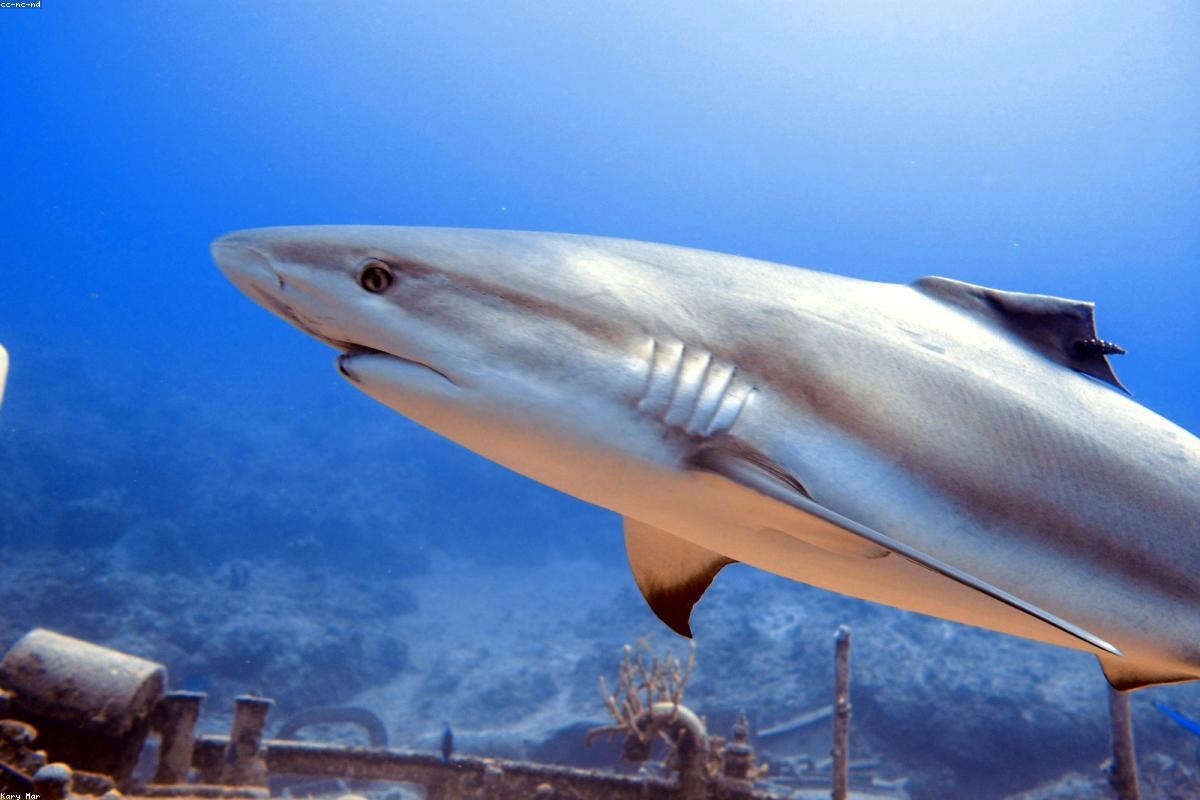
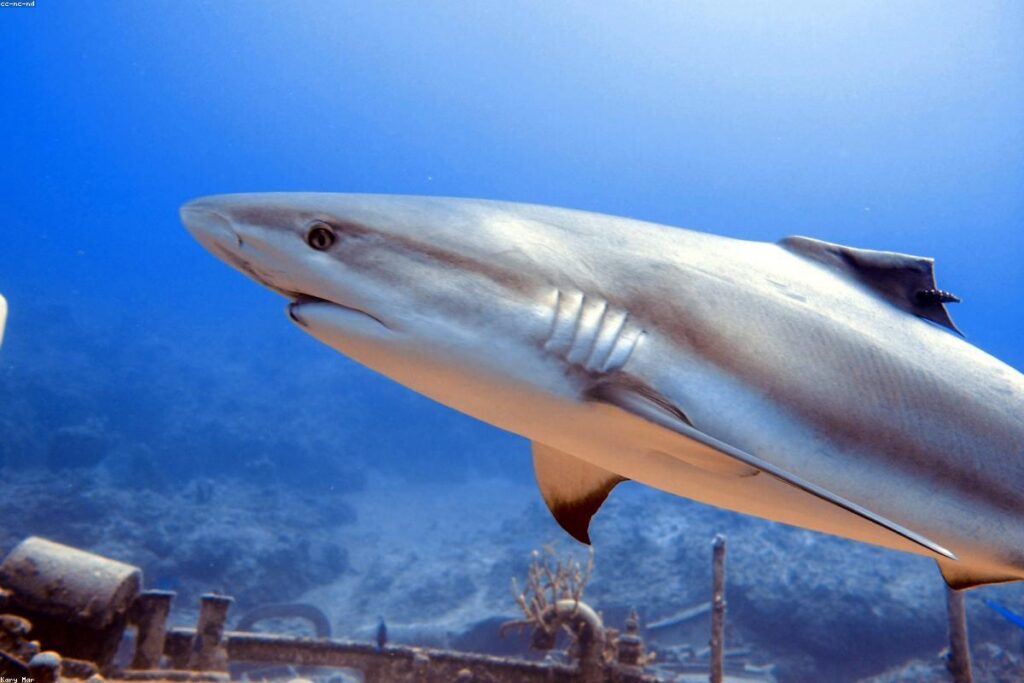
Your mask floods with salt water as an enormous shadow passes overhead-a whale shark, easily 40 feet long, glides beneath you with the grace of something that has owned the ocean for millions of years. Its white spots glow in the filtered sunlight, and you lock eyes with an ancient creature that doesn’t see you as a threat, just another curious being sharing the water. Your heart hammers in your chest. This isn’t a dream. This is real, and it’s happening right now in 2026.
Swimming with whale sharks sits at the absolute pinnacle of ocean experiences. These gentle giants-the world’s largest fish-move through warm tropical waters with an almost meditative calm, and if you time it right and choose your destination wisely, you’ll get moments that reshape how you see yourself in the ocean. Let’s cut straight to what you need to know to make this happen.
Why 2026 is Your Year to Go
Here’s the thing: whale shark encounters aren’t getting easier to find, but they’re becoming more regulated and-importantly-more ethical. 2026 marks a sweet spot where established eco-tourism infrastructure exists at the major spots, but the encounters haven’t yet become oversaturated with careless operators. The science is clearer, the guidelines are stricter, and the creatures are more protected than ever before.
Your window matters though. Whale shark seasons are narrow and specific to location. Miss your window, and you’re staring at empty ocean. Plan it right, and you’re sharing water with something that will fundamentally shift your perspective on what it means to be small in the ocean.
The Four Destinations That Actually Deliver
Ningaloo Reef, Western Australia (March to August)
Ningaloo isn’t just where whale sharks congregate-it’s where they gather in reliable, predictable numbers. March through August is your window, with peak season hitting April through June. The reef runs 260 kilometers along the coast, creating a natural feeding ground that attracts 50-100 whale sharks annually.
Expect to pay $300-500 USD per half-day tour with reputable operators. Ningaloo Marine Park has strict regulations: only a handful of boats operate here at any given time, and they’re required to follow protocols that protect the sharks. The Coral Bay area is your best base-it’s smaller and less chaotic than Exmouth, and the sharks are closer.
What makes Ningaloo special: the water is remarkably clear (30+ meter visibility on good days), the sharks are genuinely habituated to respectful swimmers, and you’ll likely see multiple animals in a single trip. The reef drops off dramatically, creating stunning underwater architecture beyond just the shark encounter.
Donsol, Philippines (November to June)
Donsol sits on the edge of the Sorsogon Province and hosts the world’s smallest whale shark tourism operation-which is exactly why it works. November through May is prime season, peaking December through February.
Tours run $25-60 USD for full-day excursions through local boat operators. Yes, those prices are real. The tradeoff: you’re traveling to a less-developed area, tourist infrastructure is basic, and sightings aren’t guaranteed (though they’re frequent-around 70% encounter rate during peak season). Donsol is for travelers who want authenticity and local experience alongside marine life.
What makes Donsol special: it’s where whale shark ecotourism actually originated, and the community has built decades of sustainable interaction protocols. You’ll share boats with Filipino families, not cruise ship hordes. The encounters feel intimate and earned, not industrialized.
Isla Mujeres, Mexico (June to September)
If you’re North American and want minimal travel friction, Isla Mujeres delivers. This small island off the Yucatán Peninsula becomes a whale shark hotspot summer through early fall, with July and August being absolute peak season. The aggregation here is tied to menhaden spawning-the sharks are feeding aggressively, and they’re everywhere.
Tours cost $400-650 USD for full-day excursions through operators like Whale Shark & Tarpon Fishing or Sociedad Cooperativa Islmujeres. The tourist infrastructure is excellent, flights from the US are cheap and straightforward, and accommodation ranges from budget to luxury.
What makes Isla Mujeres special: the sheer reliability and abundance. During peak season, finding multiple sharks in a single day is normal, not remarkable. The water is warm and relatively calm. You can combine this with reef diving, cenote swimming, or just soaking in Caribbean island life before and after your encounter.
Mafia Island, Tanzania (September to March)
This is the deep-cut destination-pristine, uncrowded, and utterly magical. Whale sharks aggregate here during the cooler months, with October through February being peak. Tourism is still developing here, which means fewer tourists but also less infrastructure.
Expect to pay $350-500 USD for full-day tours through the handful of established operators like Mafia Island Lodge. Getting here requires more planning (fly into Dar es Salaam, then domestic flight or boat to the island), but that journey is part of the reward.
What makes Mafia Island special: the East African light, the absence of crowds, and the profound sense of exploration. You might share the water with just one or two other boats. The reef ecosystem around the sharks is spectacular and largely undamaged. This is whale shark tourism as it should exist-rare, respectful, and life-altering.
Timing Your 2026 Expedition
Seasonality is absolute with whale sharks-they move with food sources, and their presence isn’t random or flexible. Here’s your practical calendar:
- January-February: Mafia Island peaks, Donsol still strong, Ningaloo ending
- March-May: Ningaloo sweet spot, Donsol winding down
- June-August: Isla Mujeres ramping up, Ningaloo peak, Donsol off
- September-October: Isla Mujeres beginning to peak, Mafia Island starting
- November-December: Donsol peak, Mafia Island strong, Isla Mujeres ending
The overlap between Donsol and Mafia Island (November-December) means you could theoretically experience whale sharks twice in one season if you had the time and budget. Book tours 4-6 weeks in advance, especially for peak season slots.
Choosing Operators That Actually Care
Not all whale shark tours are created equal. Here’s how to separate the ethical operators from the ones that treat these animals like theme park attractions:
- Check if they have formal certifications (Ningaloo has strict government standards; look for operators endorsed by local marine authorities everywhere)
- Read recent reviews specifically mentioning how close swimmers got and whether the operator maintained distance protocols
- Ask about their snorkel-only policy-no diving on whale sharks, period. Their lungs are near the surface, and aggressive air bubbles stress them
- Verify they follow the “5-meter rule” (stay at least 5 meters from the shark, never approach from the head, don’t touch, never shine lights)
- Confirm they limit boat speed and maintain engine-off periods in shark presence zones
- Research whether they contribute percentages of tour fees to marine conservation
Reputable operators worth considering: Ningaloo Reef Dive Centre (Australia), Pesca Tours (Donsol), Isla Mujeres Whale Shark Tours (Mexico), and Mafia Island Lodge (Tanzania).
What You’ll Actually Experience Underwater
Let’s be honest about expectations. Most whale shark encounters last 20-40 minutes of actual contact time, spread across a full day of boating, searching, and waiting. Your guide will spot the shark first, cut the engine, and motion
🌊 Join 10,000+ Ocean Lovers
Get our free Ocean Freedom Starter Guide + weekly guides on surfing, diving & nomad life.
No spam. Unsubscribe anytime.
🌊 Recommended Gear & Experiences
Some links are affiliate links — we earn a small commission at no extra cost to you.
As an Amazon Associate we earn from qualifying purchases.
We may earn a commission on bookings — at no extra cost to you.
Free for Ocean Lovers
Get the Ocean Freedom Starter Guide
Gear guides, destination picks, and honest advice for surfers, divers, and sailors. Free.
Join 500+ ocean lovers in our free community
Surf reports, dive trip planning, nomad tips — live in WhatsApp.