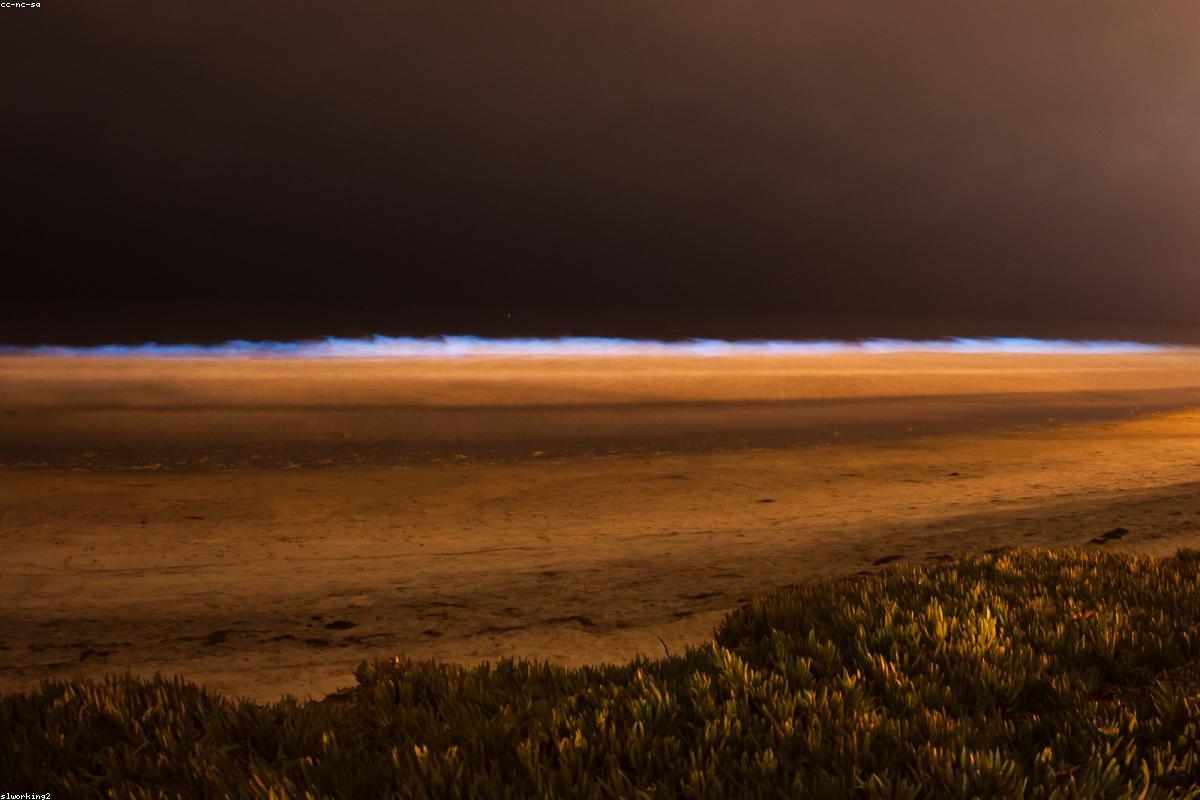
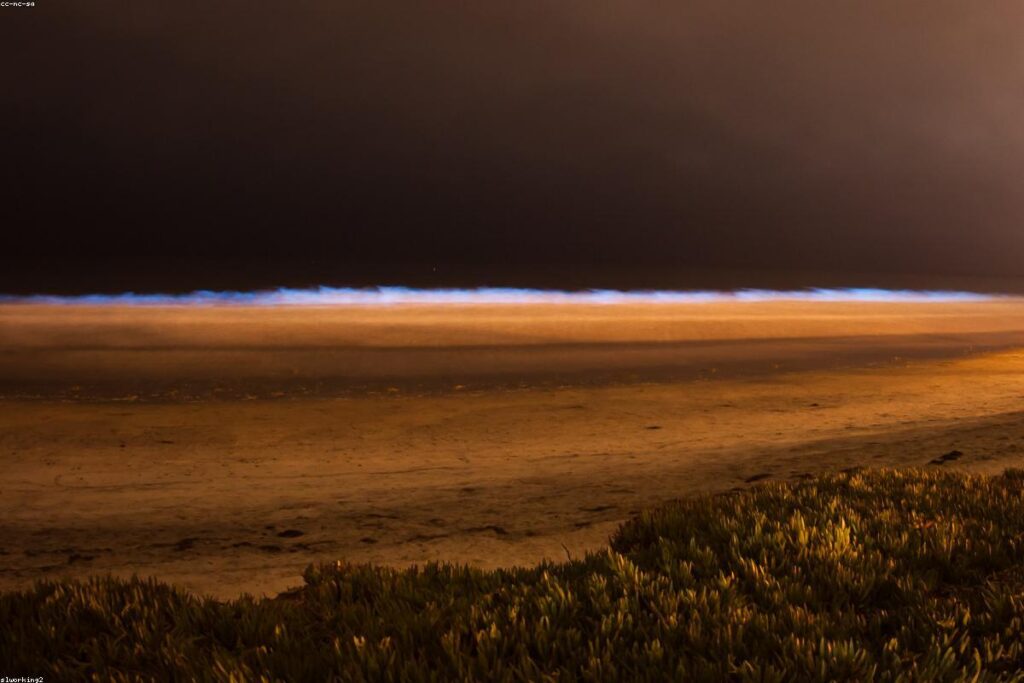
Your paddle dips soundlessly into the water, and suddenly-impossibly-the ocean erupts into liquid starlight. Each stroke of your kayak leaves a glowing trail of electric blue that hangs in the darkness like you’ve painted the sea with pure light. The water around your boat sparkles with millions of tiny creatures pulsing in bioluminescent waves, responding to your movement with an otherworldly glow that makes you feel like you’re paddling through the cosmos itself. This isn’t a dream or special effects. This is what bioluminescent beaches deliver, and 2026 is your year to experience it.
What Makes Bioluminescence Actually Happen
Before you chase that glow, understand what you’re actually seeing. Bioluminescence is a chemical reaction inside tiny marine organisms-primarily dinoflagellates, small plankton about the size of a grain of salt-that produces light. When these creatures are disturbed by movement, they trigger a defense mechanism that creates light through a chemical reaction between luciferin and luciferase (yes, really). Think of it as nature’s underwater alarm system that happens to be absolutely stunning.
The magic requires three conditions: warm tropical or subtropical water, a high concentration of dinoflagellates, and minimal light pollution. You also need the right season and ideal conditions-not every night glows equally. Some bays maintain consistent glows year-round; others are highly seasonal and unpredictable. This matters for planning your trip.
Mosquito Bay, Puerto Rico: The Brightest Show on Earth
Mosquito Bay on the island of Vieques holds the scientific record for bioluminescent intensity. We’re talking visibility of glowing water up to 15 feet deep-brighter than most bioluminescent bays anywhere. The water here is so densely populated with dinoflagellates that on perfect nights, you can read a book by the glow.
Best season: May through November, with July and August typically offering the most consistent glow. Winter months (December-April) can be sporadic.
What to expect: Mosquito Bay is protected as a nature reserve, so you can only enter with licensed tour operators. Kayak tours typically last 1.5-2 hours and cost $65-$85 per person. The bay itself is relatively shallow (8-12 feet), making it perfect for paddling beginners.
Real tips: Book your tour for the darkest nights possible-new moon or 2-3 days after. Avoid full moon periods when lunar light overwhelms the glow. The town of Esperanza on Vieques has several reliable operators like Abe’s Snorkeling and Water Sports. Stay 2-3 nights on Vieques to increase your chances of hitting a great night; ferry from Puerto Rico main island takes 45 minutes ($4 each way).
Vaadhoo, Maldives: The Glowing Lagoon Paradise
Vaadhoo Island’s lagoon produces one of the most photographed bioluminescent displays globally. The shallow lagoon water glows with an ethereal blue-green light that photographers absolutely lose their minds over. The scenes here have become iconic-turquoise water by day, electric glow by night.
Best season: July to September offers the most reliable bioluminescence, though displays can occur year-round. The monsoon season (June-August) actually increases plankton blooms, enhancing the glow.
What to expect: Most visitors stay at one of several resorts on or near Vaadhoo. You can walk directly onto the beach and wade into the glowing lagoon-it’s accessible and free once you’re there. Resort stays range from $150-$600+ per night depending on amenities. Night excursions with local guides cost $40-$60.
Real tips: The glow here is often best in shallow water near shore, so wading is often more productive than kayaking. Bring underwater camera housings if you’re serious about photography. The water temperature is warm year-round (78-84°F), so minimal gear needed. Book resorts on the eastern side of the island for easier access to the bioluminescent lagoon.
Toyama Bay, Japan: The Rare Spectral Display
Toyama Bay offers something different: firefly squid that glow from their bioluminescent organs. Instead of dinoflagellates, you’re seeing actual creatures with built-in light. The squid migrate into shallow water during spawning season, creating an alien-like light show of small blue orbs moving through the darkness.
Best season: March through June, with peak activity in April and early May. This is a highly seasonal phenomenon-miss this window and the display doesn’t exist.
What to expect: Night cruises leave from Namerikawa or Imizu ports. Tours cost $50-$80 per person and last 2-3 hours. You’ll see glowing squid in the water around the boat rather than paddle through bioluminescence. The experience is more observational than interactive.
Real tips: Book tours through your hotel or Japanese travel agencies-direct booking is difficult for English speakers. Pack layers; even in spring, ocean wind makes for cold nights. The glow is best on clear, moonless nights, so check forecasts carefully. Stay in nearby Takaoka or Toyama City (easily accessible by bullet train from Tokyo).
Jervis Bay, Australia: The Southern Hemisphere Secret
Jervis Bay on the New South Wales coast offers bioluminescence without tropical heat. This is where serious surfers and cool-water enthusiasts can experience the glow. The bay’s calm protected waters occasionally light up with dinoflagellate blooms, creating a starkly different aesthetic than Caribbean displays-moody, mysterious, distinctly Australian.
Best season: December through February (Southern Hemisphere summer), though displays are less predictable than other locations. The season is shorter and less reliable.
What to expect: Kayak tours cost $65-$95 per person and operate when conditions are right. Jervis Bay Wild Kayaks and similar operators monitor conditions and will only run tours when bioluminescence is present, so plan flexibility into your schedule.
Real tips: Book tours 2-3 days in advance rather than expecting daily departures. Water temperature runs 62-68°F, so you’ll need a wetsuit. Call ahead to confirm conditions exist before traveling specifically for bioluminescence-this bay’s glow is the least guaranteed of these four destinations. That said, the experience when it happens is special precisely because it’s rare.
Photography Hacks for Glowing Water
Bioluminescent photography is genuinely challenging and rewarding. Here’s what actually works:
- Camera settings: ISO 1600-3200, wide aperture (f/2.8 or wider), 15-25 second exposures. Shoot in RAW format.
- Gear: Bring a mirrorless or DSLR camera with manual mode. Waterproof housings run $300-$800 depending on camera compatibility. GoPro captures video beautifully but lacks the detail of larger sensors.
- Composition: The most striking shots combine human elements (a kayak, a hand in glowing water) with the glow itself. Pure glow-only shots are less visually interesting than you’d expect.
- Lighting: Use a red headlamp (not white) for night navigation. Red light doesn’t destroy your night vision or overwhelm the camera sensor like white light does.
- Patience: Sit still. The longer you stay in one spot, the more the dinoflagellates settle, and the glow gets brighter. Moving constantly photographs worse than positioning and waiting.
Kayaking Through the Glow: Practical Guidance
Most first-timers assume kayaking through bioluminescence requires advanced
🌊 Join 10,000+ Ocean Lovers
Get our free Ocean Freedom Starter Guide + weekly guides on surfing, diving & nomad life.
No spam. Unsubscribe anytime.
🌊 Recommended Gear & Experiences
Some links are affiliate links — we earn a small commission at no extra cost to you.
As an Amazon Associate we earn from qualifying purchases.
We may earn a commission on bookings — at no extra cost to you.
🌊 DOWNLOADABLE GUIDE
Ocean Bucket List — 50 Experiences Printable
$6.99 — instant PDF download
Free for Ocean Lovers
Get the Ocean Freedom Starter Guide
Gear guides, destination picks, and honest advice for surfers, divers, and sailors. Free.
Join 500+ ocean lovers in our free community
Surf reports, dive trip planning, nomad tips — live in WhatsApp.